Odoo Support: ongoing maintenance so your business never stops
When an ERP like Odoo becomes the core of your business, any unresolved issue costs money and time. Good Odoo support isn't just about "fixing things when they break": it's ongoing support that keeps your system stable, up to date and growing at your company's pace. At Nextdoo, an Official Odoo Partner based in Valencia and serving all of Spain, we see support as a long-term relationship focused on business results, not on isolated tickets.
What good Odoo support includes
A serious Odoo support service covers four pillars: issue resolution, updates, evolutionary improvements and service level agreements (SLAs) that make clear what you can expect and how quickly. Without those four elements, support falls short and you end up solving problems on your own or relying on occasional favours.
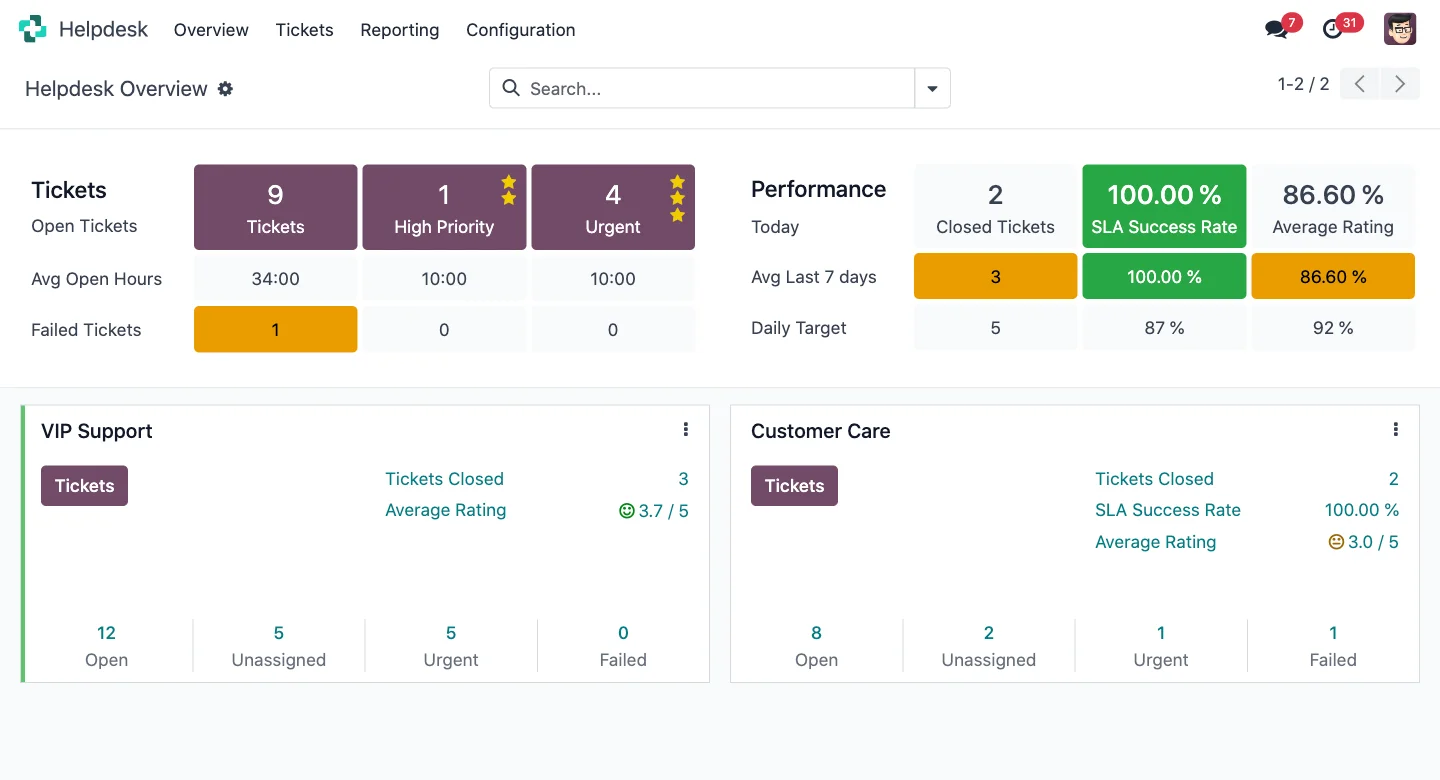
Issue resolution is the most visible part: when something doesn't work as it should (an invoicing flow, a synchronization, a report), you have a direct channel to report it and a team that diagnoses and fixes it. But good support goes beyond firefighting: it analyses why it happened and prevents it from happening again.
Issue resolution with a direct channel
What makes the difference isn't promising that "nothing ever fails," because any system with real activity will have unexpected events. What matters is how they're handled: a clear point of contact, committed response times and someone who knows your setup and your processes, so you don't start from scratch with every query.
At Nextdoo we prioritise issues by their impact on the business. If something blocks invoicing or sales, it's handled before a cosmetic request. That business-driven criterion is what keeps an SME from losing hours of work or customers over a problem that could have been solved in minutes with the right point of contact.
Updates and evolution without surprises
Odoo releases new versions regularly, with improvements in security, performance and functionality. Staying on a version that's too old eventually takes its toll: incompatibilities, features that stop being maintained and a costlier future migration. Ongoing support plans these updates so they arrive in an orderly way and without surprises.
Updating properly isn't just pressing a button. It requires reviewing the customizations and modules you have in place, testing in a separate environment and validating that everything still works before touching the live system. That preliminary work is exactly what separates a smooth update from a lost day with the ERP down.
Continuous improvements aligned with your business
Your company changes: you open a new line, add a sales channel, adjust an internal process. Support shouldn't be limited to maintaining what already exists; it should help Odoo evolve with you. Small accumulated improvements (a more useful report, an automated flow, a field that saves clicks) add up to a lot over the course of the year.
This is where support connects with Odoo Consulting: it's not just about the system working, but about it working in your favour. And when a larger project comes up (a new module, an area you hadn't yet digitised), we tackle it with the same approach we apply to every Odoo Implementation: process first, tool second.
Clear SLAs: what they mean and why they matter
An SLA (service level agreement) is the written commitment on how support is provided: service hours, response times according to severity, available channels and the scope of what's covered. Without an SLA, support is left to verbal promises and in practice you never know whether your issue will be handled today or in a week's time.
For an SME, an SLA means peace of mind and predictability. It lets you plan, know who to call and have the assurance that a critical outage won't go unanswered. At Nextdoo we define SLAs proportionate to each client's size and activity, with no fine print and without selling service levels you won't need.
Why ongoing support matters for your SME
Many companies invest in deploying Odoo and then neglect maintenance, until a serious problem reminds them that an ERP needs ongoing care. The cost of not having support doesn't show up on a monthly invoice, but it does show up in lost hours, decisions made with unreliable data and features that end up only half used.
Ongoing support protects the investment you've already made and keeps the system delivering value every month. If you'd like, you can start by getting to know Odoo with a free trial and then assess the support model that best fits your company. When it comes to prices, terms or grants, any specific figure would be a reference estimate, not binding; for official amounts you should always consult Odoo's official sources and the applicable documentation.
Frequently asked questions
What's the difference between Odoo support and maintenance?
Support focuses on resolving day-to-day issues and questions, while maintenance also includes updates, preventive reviews and continuous improvements. In practice the two go together: a good Odoo support service combines reactive resolution with proactive care of the system.
Do I need support if my Odoo already works well?
Yes. Even if everything works today, Odoo releases updates, your business changes and issues can arise. Ongoing support keeps small problems from turning into major outages and keeps the system up to date in security and functionality, protecting the investment you've already made.
What is an SLA and why should I pay attention to it?
An SLA is the agreement that defines response times, hours and scope of support. It matters because it turns promises into measurable commitments: you know how quickly a critical issue will be handled and which channels are available to you, which brings predictability to your operations.
How often is Odoo updated and who handles it?
Odoo releases new versions regularly. Within a maintenance service, it's the partner who plans and carries out the updates: reviewing customizations, testing in a separate environment and validating that everything works before applying it to the production system, so it's done without interrupting your work.
Does support also cover improvements or only fixing errors?
Good support covers both. In addition to fixing issues, it incorporates evolutionary improvements so Odoo keeps pace with your company's growth. If a larger project comes up, it's approached with a consulting and implementation mindset, always starting from the business process before the tool.
Related resources
Official information: Official Odoo documentation.