
If you're considering changing your management software or upgrading to an ERP, it's highly likely that both Odoo and Sage are on the table. They are two of the most common options for SMEs in Spain, but they operate very differently and are better suited to different businesses. This comparison explains how they truly differ, where each one excels, and how to make a decision, without any marketing fluff. We'll state upfront: we are an official Odoo partner, so we know that side well; even so, here you'll find a balanced perspective, because choosing the wrong management system is expensive and doesn't help anyone.
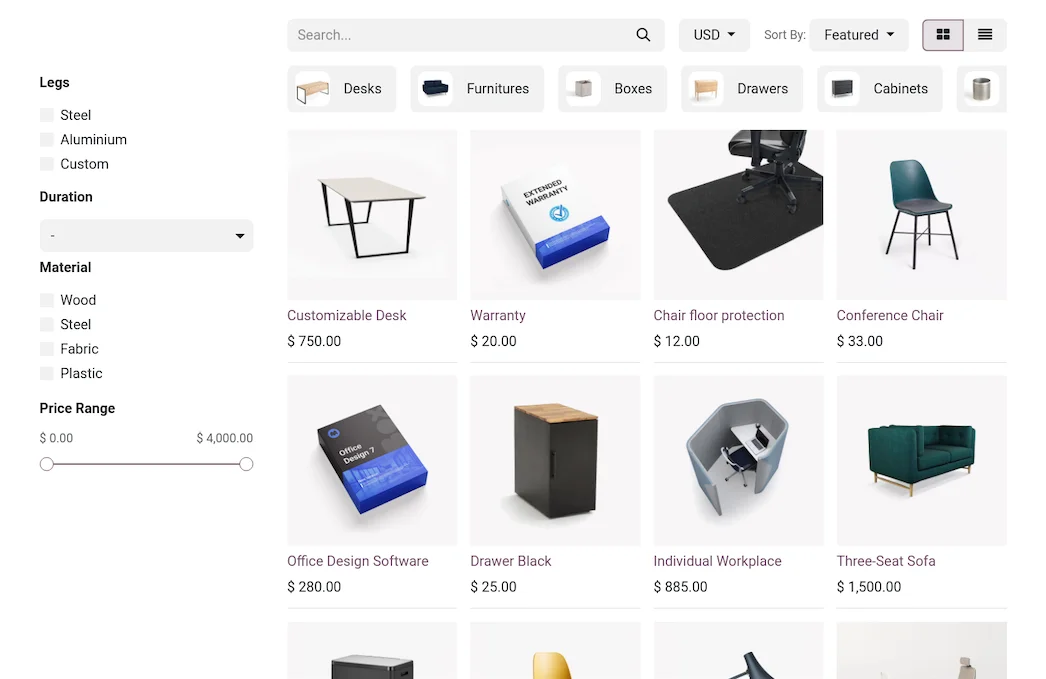
En 30 segundos. Odoo vs Sage: differences, strengths, Spanish tax & VeriFactu, cost, and when to choose each. Honest comparison for your SME.
What Each System Is
Sage is a veteran management software brand, very well-known in Spain, especially for its accounting and payroll. Under the Sage umbrella, there are several products designed for different business sizes (for example, Sage 50 or Sage 200), with a traditional approach: robust software, heavily focused on the accounting and tax side, and with a strong presence among consultancies and accountancy firms, who have been working with them for years.
Odoo is an open-source ERP (an integrated management system) that brings together modules for sales, CRM, inventory, invoicing, accounting, purchasing, manufacturing, online shop, projects, and many more in a single platform. Its philosophy is that everything is connected: a sale moves stock, generates the invoice, and updates accounting without re-entering data. It's modular, so you start with what you need and add more when the time comes. You can see the framework of a project in Odoo implementation.
How They Differ
The fundamental difference is not about the brand, but about approach. Sage originated from traditional accounting and management; its historical strong point is managing numbers and payroll effectively. Odoo was conceived as a system that aims to manage the entire business in an integrated way, with accounting as just one piece of an engine that includes sales, warehousing, CRM, or e-commerce.
There are other significant differences to consider when deciding:
- Software Model. Sage is proprietary, with a more traditional product and licence-based approach.
Odoo is open-source, modular, and can operate in the cloud or be installed on your own server.
- Functional Breadth. With Sage, you typically combine products according to your needs. With Odoo, everything resides
within the same platform, which reduces the need for integrations between different programmes.
- Customisation. Being open-source, Odoo adapts with greater flexibility to specific business processes;
Sage is more standard in that regard.
- Ecosystem. Sage has many accountancy firms behind it accustomed to its environment; Odoo has a network
of partners and a very large international community.
Comparison: Odoo vs Sage
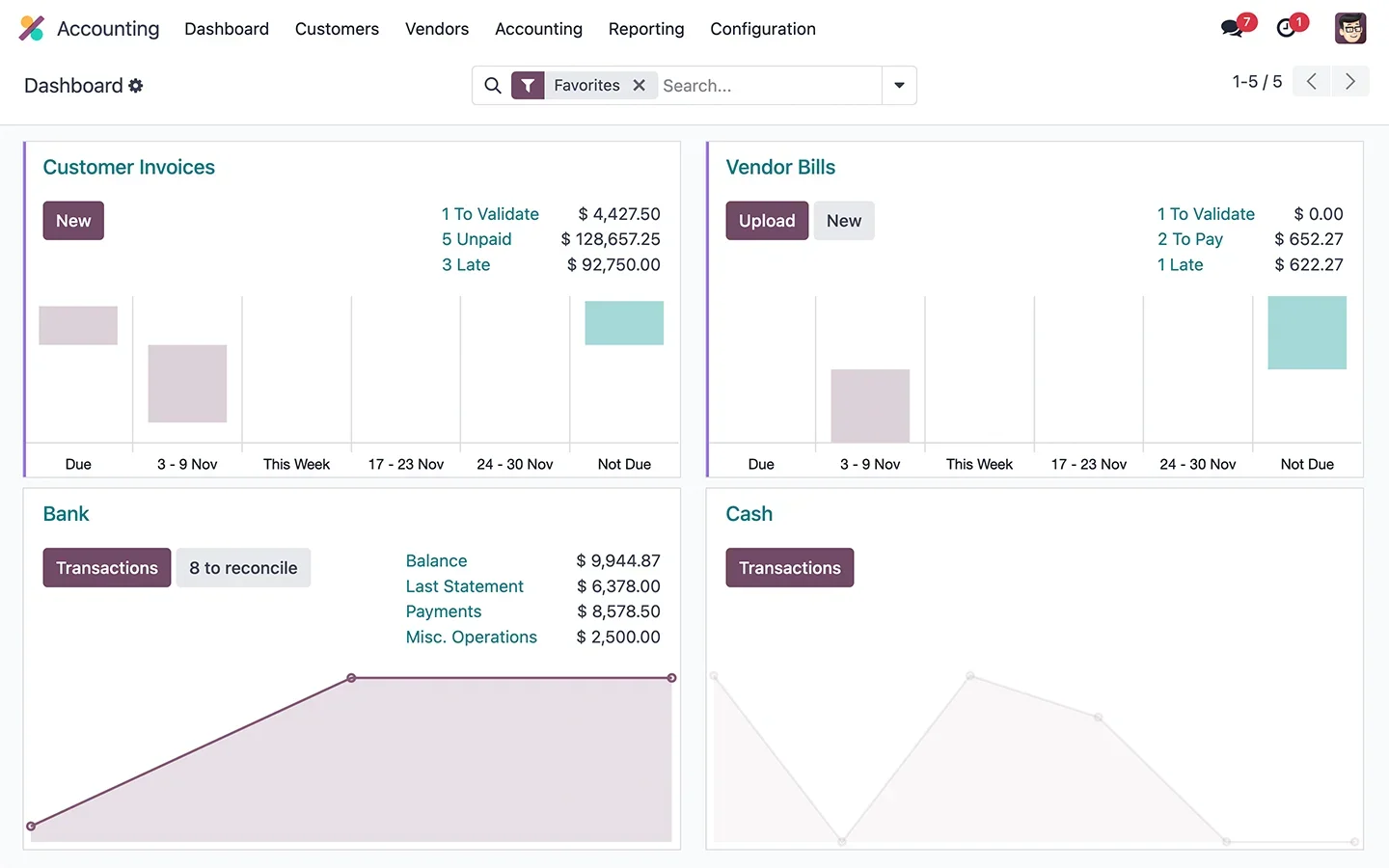
This table summarises the main differences. It's a guide comparison by approach, not a ranking: each business weighs each row differently.
| Odoo | Sage | |
|---|---|---|
| Tipo | Integrated Modular ERP, Open-Source | Management and Accounting Software, Proprietary |
| Key Strength | Integrate the Entire Business into One Platform | Accounting, Payroll, and Fit with Accountancy Firms |
| Scope | Sales, CRM, Stock, Invoicing, E-commerce, Manufacturing… | Mainly Accounting, Invoicing, and Payroll |
| Customisation | High (Open-Source and Modular) | More Standard |
| Deployment | Cloud or On-Premise Server | Depending on Product |
| Tax Compliance Spain | Localisation + VeriFactu | Consolidated Spanish Localisation |
Guide comparison. Specific functions depend on the product and version; confirm these on each manufacturer's official websites.
Spanish Localisation and Tax Compliance (VeriFactu)
This point is crucial and should be examined closely: any software you use in Spain must comply with tax regulations, and by 2026 this means being prepared for VeriFactu (the invoicing registration system that ensures invoices are not tampered with) and, where applicable, for SII or TicketBAI depending on your profile and region. Both Sage and Odoo address Spanish tax compliance; the difference lies in how they are configured and the support provided. In Odoo's case, the VeriFactu-compliant invoicing is made ready during implementation, and you can find the details in our guide on VeriFactu and Odoo. Whatever your choice, ensure the system is properly configured for the current regulations, which you can consult on the website of the Tax Agency.
When to Choose Odoo and When to Choose Sage
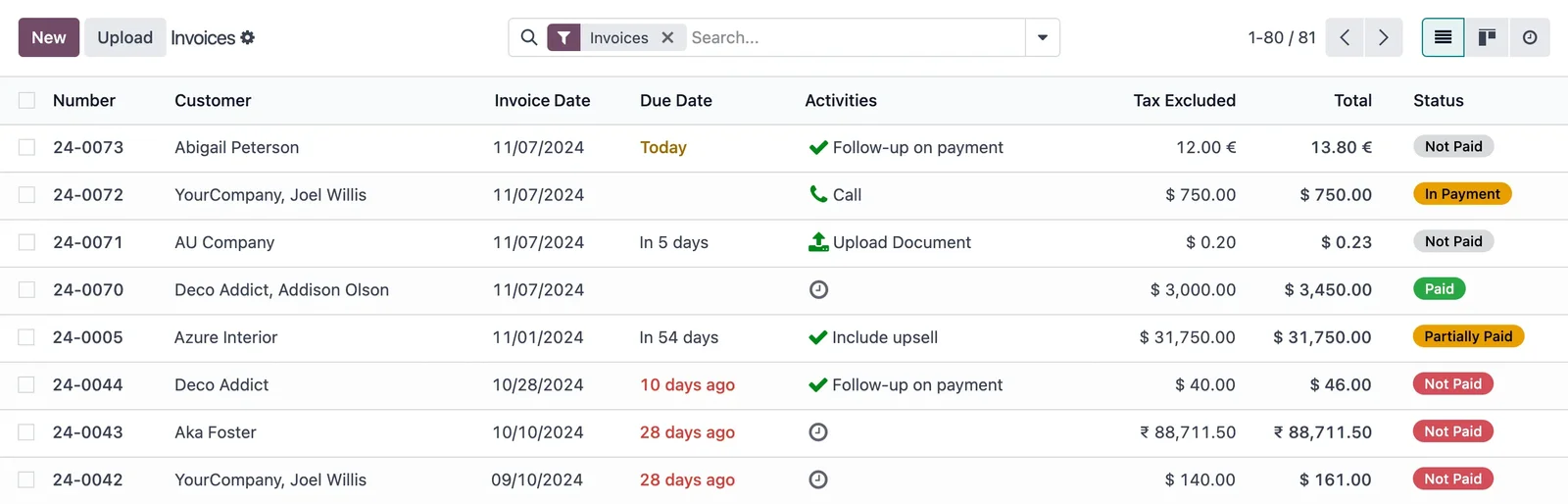
There's no universal winner; there's a better fit depending on your specific case. Sage can be a good option if your priority is traditional accounting and payroll, if your accountancy firm is comfortable working in its environment, and if you don't need to integrate much beyond the financial side. It's a sensible choice for those who primarily want to manage their numbers well with an established tool.
Odoo is a better fit if you want a single system that connects sales, warehousing, CRM, invoicing, and, if required, an online shop or manufacturing, without jumping between different programmes or re-entering data. It's the natural choice for growing businesses, those with their own processes they want to automate, or those tired of having information spread across various tools that don't communicate with each other. Its modularity allows you to start small and scale up without changing systems.
The useful question isn't 'which is better,' but 'what does my business need in the coming years?' If the answer goes beyond accounting, Odoo often comes out on top.
Cost: What to Look For
Cost is always one of the biggest concerns, and here you should avoid anecdotal figures. Each manufacturer has its own model and conditions, which change over time, so it's wise to consult the official prices for your specific case. More important than the licence price is to look at the total cost: licences or subscription, implementation, training, maintenance, and any integrations you need between programmes if you use several. This is where an integrated ERP like Odoo often saves money, as it avoids paying for and maintaining multiple separate tools. You can find an honest guide to what makes up the price in how much Odoo costs. And, as with any investment, the factor that most influences the outcome is not the software itself, but choosing the right partner who implements it.
Frequently Asked Questions
Is Odoo better than Sage?
There's no absolute 'better': it depends on your business. Sage excels in accounting, payroll, and fitting with accountancy firms; Odoo, in integrating the entire business into a modular platform. If you need more than just the accounting side, Odoo generally fits better.
Does Odoo cover Spanish accounting like Sage?
Yes. Odoo has Spanish localisation and covers accounting, invoicing, and tax obligations such as VeriFactu. The difference is that it does so integrated with the rest of the business, not as an isolated programme.
Can I migrate from Sage to Odoo without losing my history?
Yes. A well-planned migration preserves accounting history, balances, and tax numbering. It's a process best done with a partner who is familiar with Spanish localisation.
Does Odoo handle payroll like Sage?
Sage is particularly strong in payroll. Odoo manages human resources and, for Spanish payroll, typically relies on specific configurations or integrations. If payroll is your absolute priority, it's worth thoroughly evaluating it during the analysis phase.
Sage or Odoo for a growing SME?
For a growing SME that wants to integrate sales, stock, CRM, and invoicing in one place, Odoo offers more scope due to its modular and scalable nature. Sage is a better fit if the focus remains on the accounting side.
Which complies better with VeriFactu?
Both address Spanish tax compliance. The important thing is not the brand, but that the system is properly configured for VeriFactu and current regulations. Always confirm the status with your provider.
How much does each one cost?
It depends on the product, modules, and conditions of each manufacturer, which should be consulted on their official websites. More than the licence, compare the total cost of ownership: implementation, training, maintenance, and integrations.
Undecided between Odoo and Sage for your business?
At Nextdoo, an official Odoo partner, we analyse your case without any marketing fluff and tell you frankly whether Odoo is a good fit or not. Start by Odoo implementation or request a business diagnostic.
Sources: official Odoo documentation and the Tax Agency's electronic headquarters. Guide comparison; functions and prices from each manufacturer change, confirm them on their official websites.
Sources
Official Sources Consulted: official Odoo documentation y Tax Agency's electronic headquarters (VeriFactu). Cost and timeframe figures are indicative and non-binding, subject to variations depending on the project.