Holded has made a name for itself among sole traders and small businesses in Spain due to its ease of use and all-in-one cloud-based approach. Odoo, on the other hand, is a comprehensive ERP that goes beyond basic management. If you're deciding between the two, this comparison explains what truly sets them apart, who each is best for, and how to choose without regretting it six months down the line. We are an official Odoo partner, so we know that side inside out; even so, here you'll read a balanced comparison, because recommending the wrong tool helps no one.
En 30 segundos. Odoo vs Holded: Real differences, strengths, scalability, Spanish taxation and when to choose. An honest comparison.
What are Holded and Odoo?
Holded is a cloud-based management platform born in Spain, highly valued for its modern and straightforward interface. It brings together invoicing, accounting, project management, basic CRM, and inventory in an environment designed for a sole trader or small SME to manage without needing technical knowledge. Its biggest asset is its ease of use: getting started quickly and without friction.
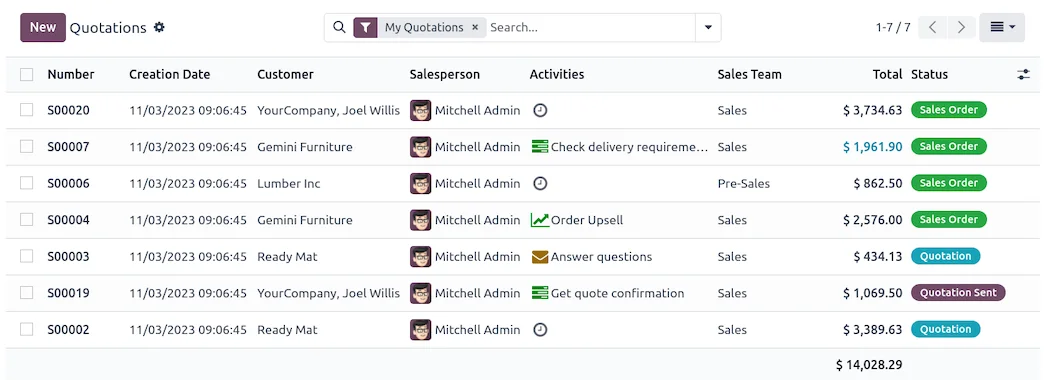
Odoo is an open-source ERP that integrates modules for sales, CRM, inventory, invoicing, accounting, purchasing, manufacturing, online shop, and many more, all into a single platform. It's modular —you add what you need— and highly customisable, which gives it greater scope when the business has its own processes or grows. You can see how a project is approached in Odoo implementation.
How do they differ?
The essential difference is simplicity versus depth. Holded focuses on making the basics easy: invoicing, accounting, and organisation with a very low learning curve. Odoo aims to cover the entire business in depth, even if that means a somewhat larger implementation project.
Other differences that influence the decision:
- Software Model. Holded is a closed cloud service. Odoo is open-source, and can
run in the cloud or on your own server, with access to data and customisation.
- Functional Depth. For advanced inventory, manufacturing, integrated e-commerce, or powerful CRM,
Odoo typically goes further. Holded covers the essentials competently.
- Customisation. Odoo adapts to specific processes with more leeway; Holded is more standard, which
is part of its simplicity.
- Scalability. When the business becomes complex, Odoo supports that growth without changing
system; with Holded, you might reach a point where it becomes too small for your needs.
Comparison: Odoo vs. Holded
Guidance summary by approach. Each business weighs things differently according to its size and needs.
| Odoo | Holded | |
|---|---|---|
| Tipo | Comprehensive modular ERP, open-source | All-in-one cloud management |
| Key Strength | Depth and customisation | Simplicity and quick setup |
| Ideal for | Growing SMEs or those with unique processes | Sole traders and small SMEs |
| Scope | Sales, CRM, inventory, manufacturing, e-commerce… | Invoicing, accounting, projects, basic CRM |
| Customisation | Alta | More standard |
| Deployment | Cloud or on-premise server | Nube |
Guidance comparison. Specific functions depend on the plan and version; confirm on the official websites.
Scalability and Customisation
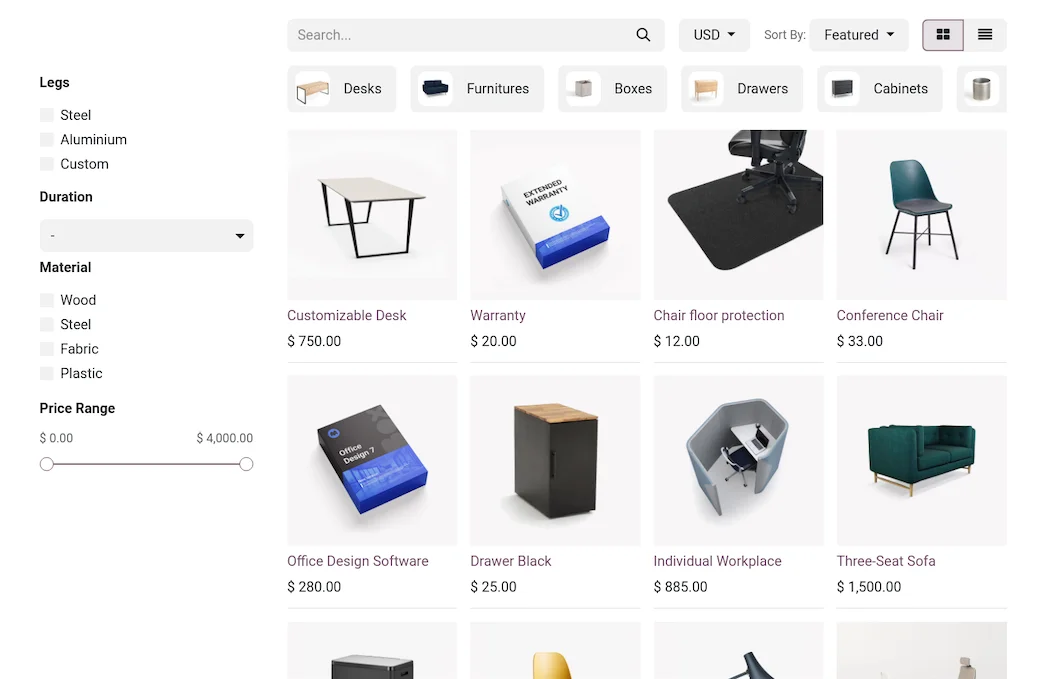
For many businesses, this is at the heart of the decision. Holded is excellent for getting started: in a short time, you're invoicing and handling accounting with a pleasant tool. The limit appears when the business becomes more complex: multiple warehouses, manufacturing, an e-commerce platform that needs to share inventory with a physical shop, sales processes with many stages, or very specific requirements. There, Odoo's ability to customise and add modules makes the difference, because you don't have to migrate to another system as you grow: you expand the one you already have. It's the difference between a tool that solves today's needs and a platform that supports tomorrow's growth.
Spanish Taxation and VeriFactu
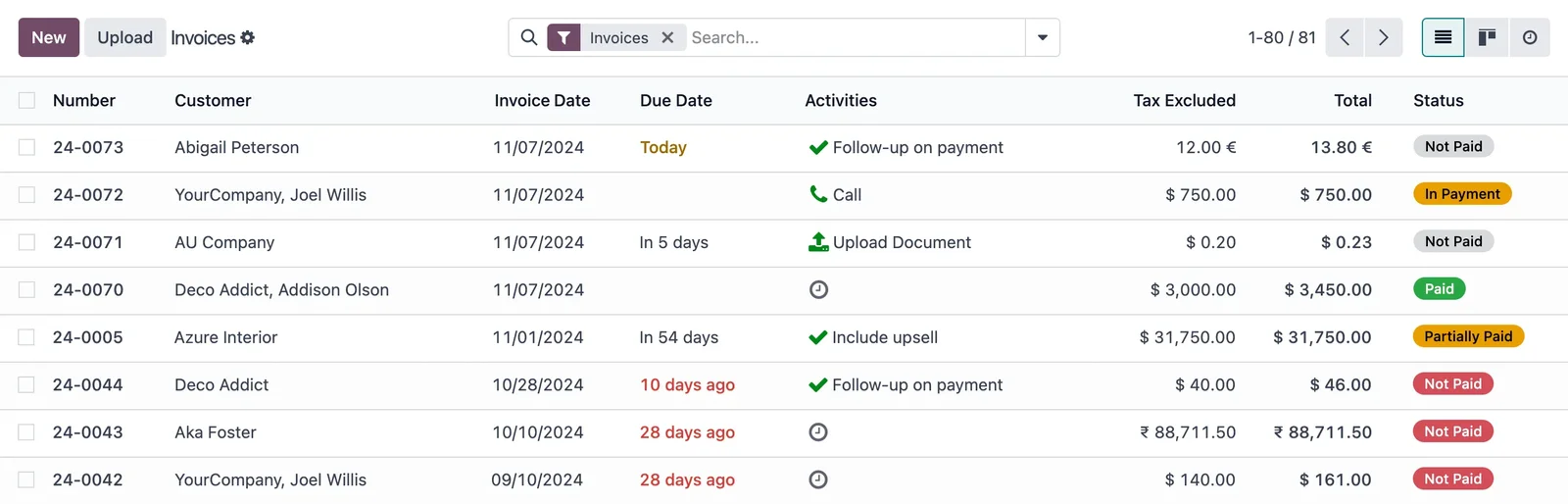
Both handle Spanish taxation, and both must be ready for VeriFactu by 2026, the system that ensures invoices cannot be tampered with. It's a requirement, not an extra: any software that issues invoices in Spain must comply. With Odoo, the VeriFactu-compliant invoicing is made ready during implementation, and it's explained in VeriFactu and Odoo. Whichever you choose, verify that the system complies with current regulations, which you can consult on the Spanish Tax Agency's e-headquarters.
When to choose Odoo and when to choose Holded
Holded is a great choice if you're a sole trader or a small SME, if your priority is to invoice and handle accounting without complications, and if you value simplicity and speed above all else. For many small businesses, it's more than sufficient and very convenient.
Odoo is a better fit if your business has —or will have— processes that go beyond invoicing: serious inventory management, manufacturing, an integrated e-commerce platform, a scalable CRM, or specific needs that require customisation. Also, if you want a single platform that grows with you without forcing you to switch systems later on. In summary: if you anticipate complexity or growth, Odoo prevents hitting a ceiling.
The key is to look not only at where you are today, but where you want to go. Choosing based on today's snapshot is the most common mistake when changing software.
Cost: what to consider
Each platform has its pricing model and conditions, which change over time; consult the official ones for your specific case. And, as always, look at the total cost, not just the subscription fee: implementation, training, maintenance, and, above all, the cost of outgrowing it and having to migrate later. A cheap system that becomes too small for your needs in two years ends up being expensive. You can find an honest guide to Odoo's price in how much Odoo costs, and it's worth remembering that the factor with the most influence on the outcome is choosing the right partner.
Frequently Asked Questions
Is Odoo better than Holded?
Not in abstract: it depends on your business. Holded wins on simplicity for sole traders and small SMEs; Odoo, on depth, customisation, and growth potential. If you anticipate complexity, Odoo typically fits better.
Does Holded become too small as you grow?
That can happen if the business becomes complex (multiple warehouses, manufacturing, integrated e-commerce). Holded covers the basics very well; for advanced needs, Odoo offers more scalability without changing systems.
Can I migrate from Holded to Odoo?
Yes. A well-planned migration transfers clients, products, invoices, and accounting data. It's advisable to do it with a partner who understands Spanish localisation to preserve historical records and fiscal numbering.
Is Odoo more difficult to use than Holded?
Odoo covers more, so its implementation is a somewhat larger project. Once properly configured and with training, daily use is straightforward. Holded starts with a lower learning curve due to its simpler approach.
Which one complies with VeriFactu?
Both handle Spanish taxation and must be ready for VeriFactu. The important thing is not the brand, but that the system is properly configured for current regulations.
Holded or Odoo for a sole trader?
For a sole trader who only needs to invoice and handle accounting, Holded is very convenient. If the sole trader anticipates growth, setting up an online shop, or serious stock and inventory management, Odoo offers more scope.
How much does each cost?
It depends on the plan, modules, and conditions of each platform, which you should consult on their official websites. Compare the total cost, not just the monthly fee.
Does Holded include inventory and stock management?
Holded covers basic inventory, sufficient for simple businesses. For advanced warehouse management, with multiple locations or batch traceability, Odoo goes considerably further without changing systems.
Can I try Odoo before deciding?
Yes. It's common practice to analyse your case with a partner and see a demonstration with your own processes before deciding, so you can truly compare it with the tool you currently use, not just on paper.
Undecided between Odoo and Holded?
At Nextdoo, an official Odoo partner, we'll frankly analyse your case and tell you if Odoo adds value for you or if something simpler would suffice. Start by Odoo implementation or request a business diagnostic.
Sources: official Odoo documentation and the Spanish Tax Agency's e-headquarters. Guidance comparison; the functions and prices of each platform change, confirm them on their official websites.
Sources
Official sources consulted: official Odoo documentation y Spanish Tax Agency's e-headquarters (VeriFactu). Cost and timeline figures are indicative and non-binding, subject to variations depending on the project.