WooCommerce is the most common way to sell online from WordPress: if you already have a website there, setting up the shop is the natural next step. Odoo, in contrast, integrates the shop within a system that manages the entire business. If you're unsure between the two, this comparison explains their real differences and when each makes sense. We are an official Odoo partner, so we know that side inside out; even so, here you'll read a balanced comparison, because choosing the foundation for your shop impacts your business for years to come.
En 30 segundos. Odoo vs WooCommerce: real differences, WordPress store or integrated ERP, cost, maintenance, and when to choose each. Discover an honest comparison.
What each one is
WooCommerce is a free plugin that adds e-commerce to WordPress. As WordPress powers a huge part of the world's web, WooCommerce is one of the most widespread ways to sell online: it leverages your WordPress website, has a gigantic community and thousands of plugins and themes. In return, the shop depends on WordPress and the combination of plugins you use, and requires managing hosting, updates, and security.
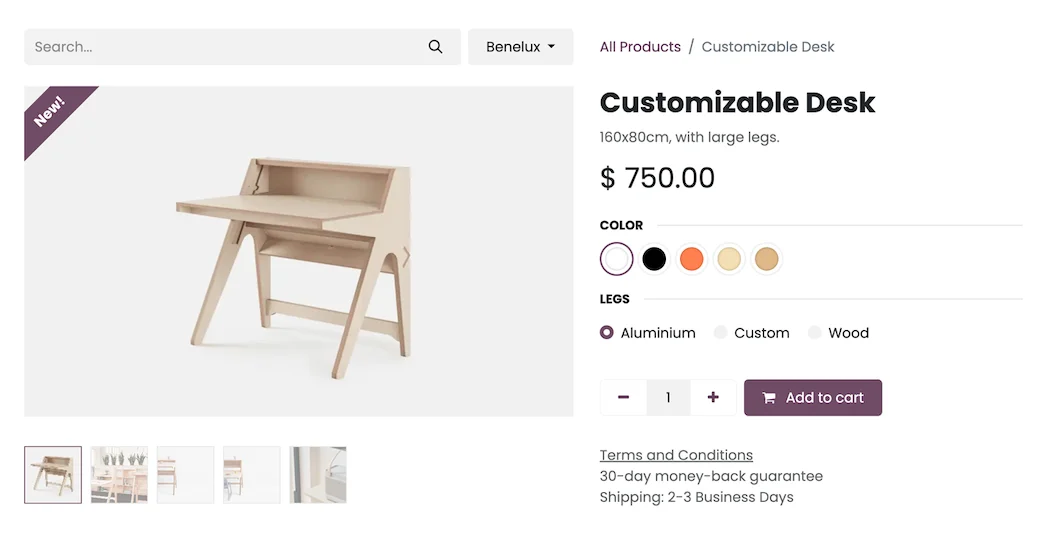
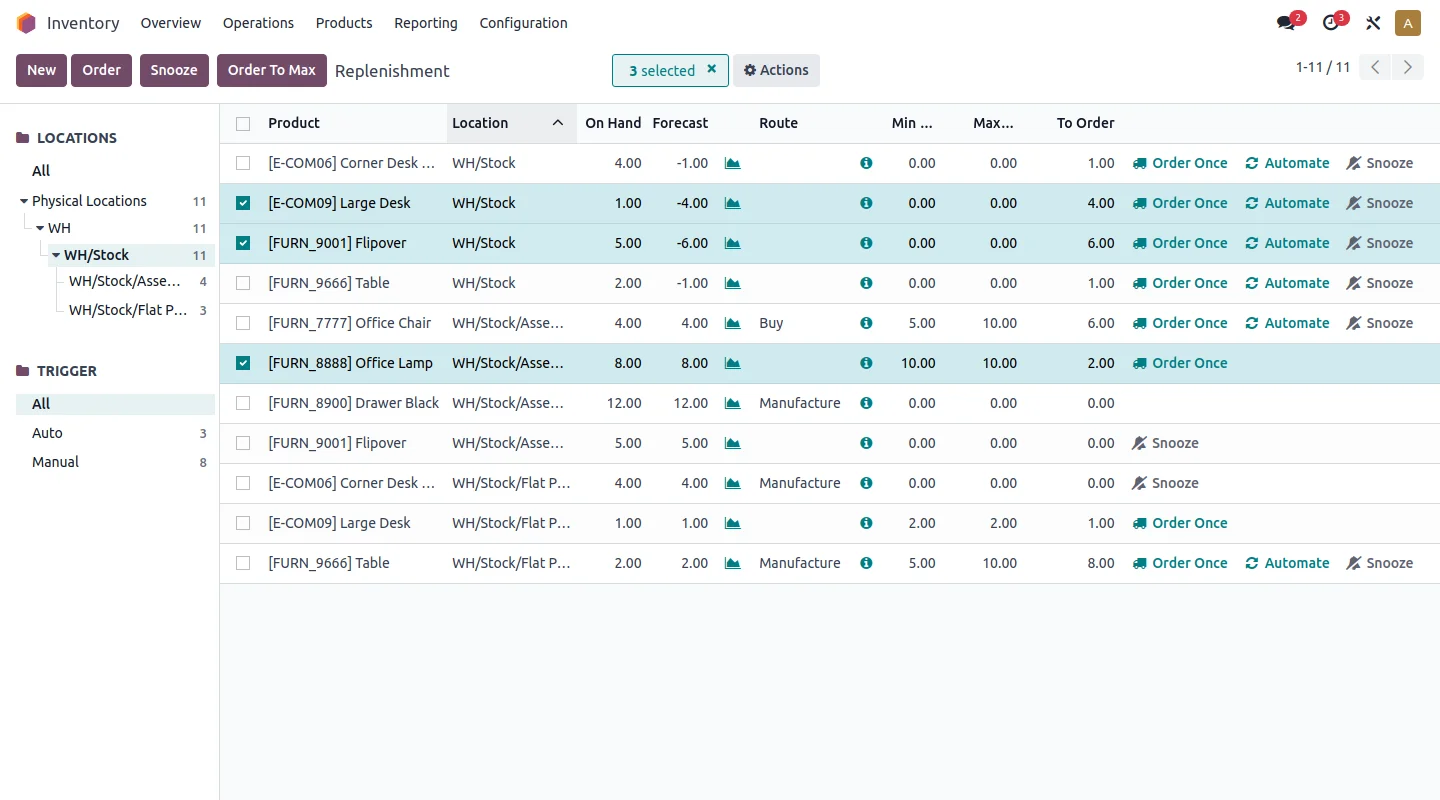
Odoo is an open-source ERP that includes an e-commerce module integrated with the rest: the shop shares catalogue, stock, and invoicing with internal management. An online order deducts stock and generates an invoice in compliance with regulations without re-entering data. You can find the details in Odoo Ecommerce and the framework in Odoo implementation.
How they differ
The fundamental difference is shop on WordPress versus shop integrated into an ERP. WooCommerce converts WordPress into a shop, with all the flexibility of that ecosystem. Odoo integrates the shop within a system that manages the entire business, so that e-commerce is a piece connected to stock, invoicing, and accounting.
Key differences that often decide:
- Base. WooCommerce depends on WordPress and its plugins. Odoo is its own integral system.
- Integration. With Odoo, shop, stock, invoicing, and accounting are the same system. With
WooCommerce, that integration with management usually requires plugins or connectors.
- Maintenance. WooCommerce requires keeping WordPress, the theme, and plugins updated and
compatible with each other. Odoo can be on a managed cloud or a private server.
- Spanish Tax Compliance. Odoo includes localisation and VeriFactu by default; in WooCommerce, this is covered with
plugins and configuration.
Comparison: Odoo versus WooCommerce
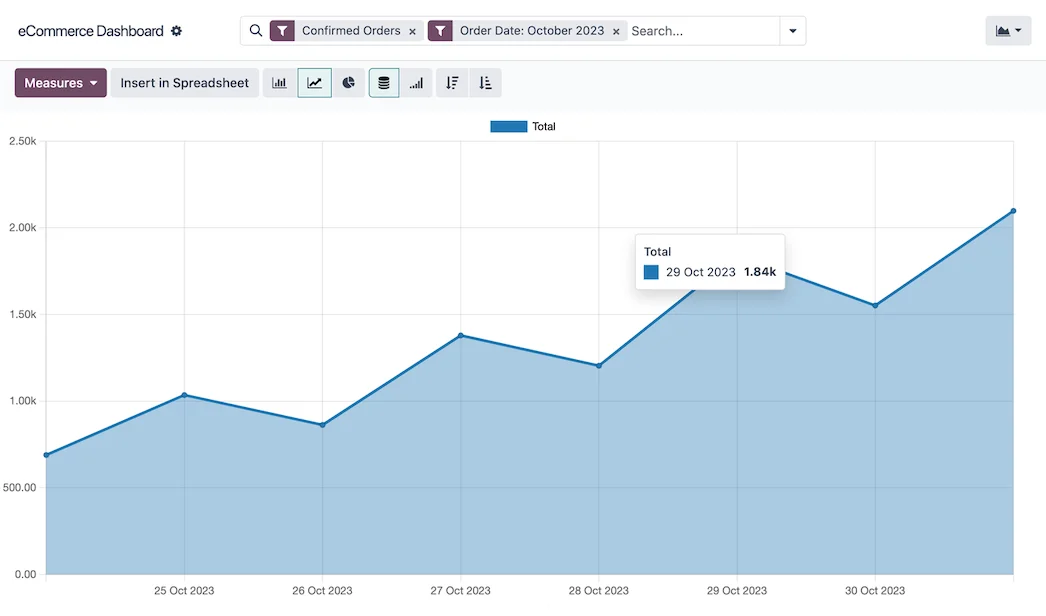
Indicative summary by approach; each business weighs differently according to its operation.
| Odoo | WooCommerce | |
|---|---|---|
| Tipo | Shop integrated into an ERP, open source | E-commerce plugin for WordPress |
| Key strength | Integration with stock, invoicing, and accounting | Flexibility and WordPress ecosystem |
| Ideal for | Businesses that want a shop + unified management | Those already using WordPress |
| Maintenance | Managed cloud or private server | WordPress + theme + plugins |
| Spanish Tax Compliance | Localisation + VeriFactu by default | Via plugins and configuration |
| Scope | Full ERP | Shop (separate management) |
Indicative comparison. Specific features depend on the version, plugins, and configuration; confirm on the official websites.
Shop on WordPress or Integrated ERP
Here lies the key to the decision. WooCommerce makes perfect sense if you already have your website on WordPress and want to leverage it, with the flexibility of its ecosystem. The detail is that business management —the actual stock you share with the physical shop, Spanish invoicing, accounting— remains external and needs to be connected with plugins or managed separately. With Odoo, that management is integrated: an online order deducts from the same stock as your physical shop and generates an invoice in compliance with VeriFactu without transferring data between systems. If your project is primarily a WordPress website with a shop, WooCommerce fits naturally. If you want to unify shop, warehouse, and invoicing, Odoo's integration avoids double work and the fragility of chaining many plugins.
Cost and Maintenance
WooCommerce itself is free, but the real cost lies in hosting, the theme, paid plugins, and above all, maintenance: keeping WordPress, the theme, and plugins updated and compatible is an ongoing task, and a poor combination of plugins is a common source of problems. Odoo, depending on the model, can reduce that burden by integrating the shop into a managed system and avoiding reliance on many third-party components. As always, the important thing is the total cost in the medium term: you'll find an honest guide in how much Odoo costs, and it's advisable to choose the right partner to ensure everything works and is secure.
When to choose Odoo and when to choose WooCommerce
WooCommerce is a good choice if you already have your website on WordPress and want to leverage it, if you value the flexibility of its ecosystem and if you have someone to keep WordPress and the plugins up to date. For projects that are based on WordPress, it's the natural path to selling online.
Odoo fits better if you want the shop to be part of business management: the same stock as the physical shop, integrated Spanish invoicing, accounting, and CRM in the same system, without relying on a chain of plugins. It's the natural option for businesses that combine channels or want a robust, integrated system. The useful question is: do you want a shop on WordPress, or a shop integrated with your entire business?
Frequently asked questions
Is Odoo better than WooCommerce?
Not in abstract: it depends on your business. WooCommerce wins if you're already using WordPress and want flexibility; Odoo, in integrating the shop with stock, invoicing, and accounting. If you want unified management, Odoo usually fits better.
Is WooCommerce free?
The plugin is free, but you must account for hosting, theme, paid plugins, and WordPress maintenance. The real cost is in setting up and maintaining the shop, not in the plugin.
Is Odoo's shop as flexible as WooCommerce?
WooCommerce can offer more pure flexibility due to the WordPress ecosystem. Odoo provides integration with management, which for many businesses outweighs extreme customisation.
Can I invoice in Spain with WooCommerce?
Spanish invoicing in compliance with VeriFactu is resolved with plugins or another system. In Odoo, that invoicing is already integrated with the shop.
Can I migrate from WooCommerce to Odoo?
Yes. A well-planned migration transfers products, customers, and orders, and protects positioning with redirects. It's advisable to do it with a partner to avoid losing SEO or historical data.
WooCommerce or Odoo if I have a physical shop?
If you combine physical and online shops, Odoo offers a clear advantage: they share stock and management in the same system. With WooCommerce, that unification requires connecting management separately.
Which requires more maintenance?
WooCommerce requires keeping WordPress, the theme, and plugins updated and compatible. Odoo can reduce that burden depending on the model, by integrating the shop into a managed system.
Is WooCommerce secure?
It can be if you keep WordPress, the theme, and plugins updated. The risk appears when updates are neglected or low-quality plugins accumulate, something that needs close monitoring.
Is WooCommerce suitable for large shops?
It can be, but as the number of products, orders, and plugins grows, maintenance and performance become more demanding. An integrated system like Odoo usually scales more orderly.
Can Odoo replace WooCommerce and WordPress?
Odoo includes an online shop and also a website builder, in addition to management. For many businesses, it covers both needs in a single system; if you rely heavily on WordPress for content, it's worth considering.
Can I keep my website when moving from WooCommerce to Odoo?
Yes, the shop can be recreated in Odoo while maintaining brand identity; the essential thing is to transfer the catalogue and orders and take care of redirects to avoid losing search engine ranking during the migration.
Are you comparing Odoo and WooCommerce for your shop?
At Nextdoo, an official Odoo partner, we analyse your case frankly and tell you if an integrated shop with your management is suitable for you. Start by Odoo Ecommerce or request a diagnosis of your project.
Sources: official Odoo documentation and the electronic headquarters of the Tax Agency. Indicative comparison; the features and prices of each platform change, confirm them on their official websites.
Sources
Official sources consulted: official Odoo documentation y electronic headquarters of the Tax Agency (VeriFactu). Cost and timeframe figures are indicative and non-binding, subject to variations depending on the project.