
Shopify is synonymous with an easy and quick-to-set-up online shop. Odoo, however, integrates the shop within a system that manages the entire business. If you're going to sell online and are unsure between the two, this comparison explains their true differences, what each entails, and when it makes sense to choose one or the other. We are an official Odoo partner, so we know that side in depth; even so, here you will read a balanced comparison, because setting up your shop on the wrong platform can be costly when the business grows.
En 30 segundos. Odoo vs Shopify: real differences, isolated vs. integrated store, cost, and when to choose each. Honest comparison from an official partner.
What they are about
Shopify is a hosted e-commerce platform (SaaS): you pay a fee and you have a ready-made online shop, with templates, payment gateways, and a huge ecosystem of applications. Its main advantage is ease and speed: you don't worry about hosting or the technical side, and in a short time, you're selling. It's one of the most popular options in the world for setting up a shop.
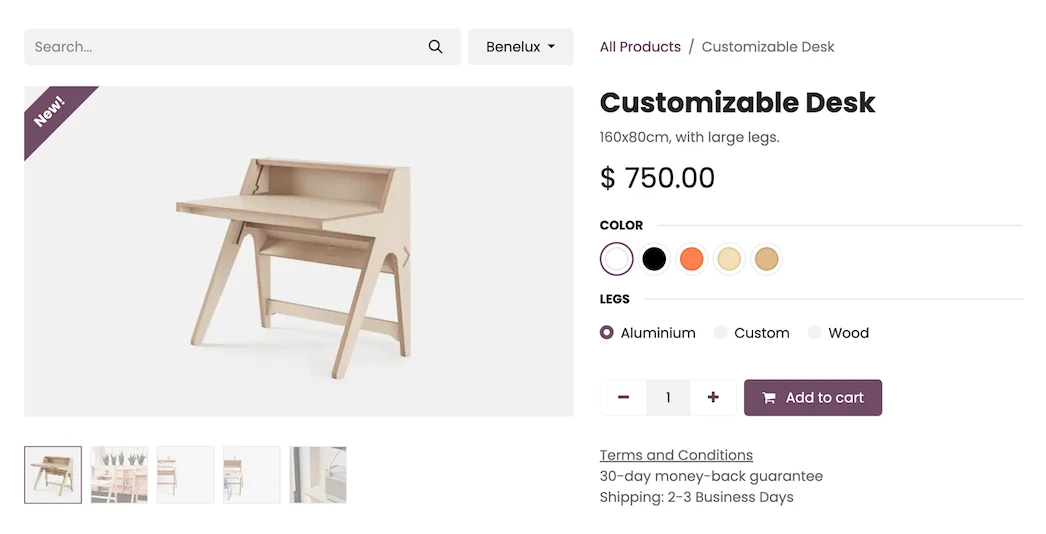
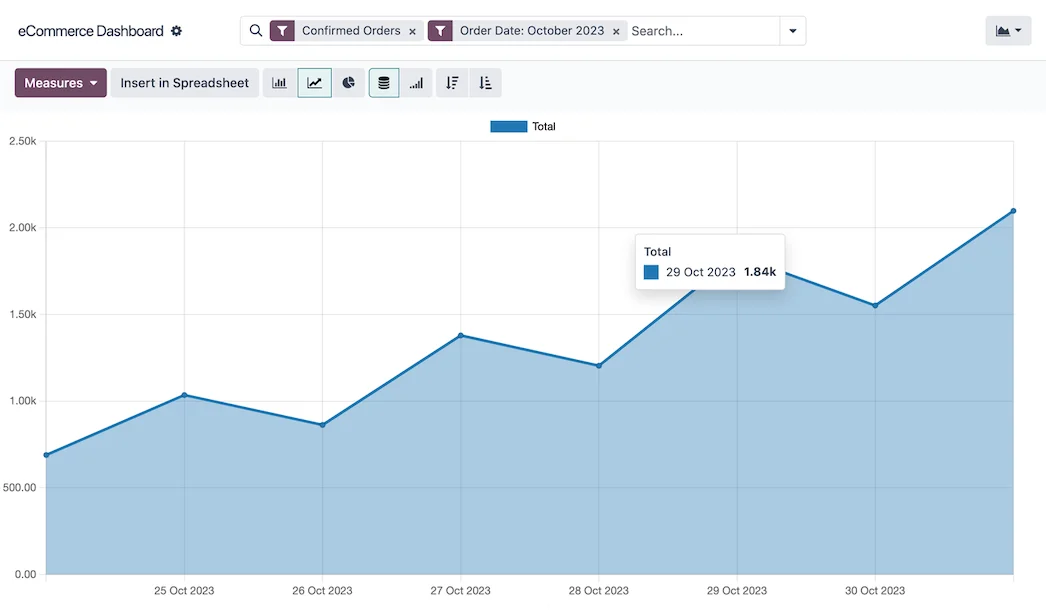
Odoo is an open-source ERP that includes an e-commerce module integrated with the rest: the shop shares the same catalogue, the same stock, and the same invoicing as your internal management. This means an online sale reduces stock and generates an invoice in compliance with regulations without re-entering data. You can see the details in Odoo Ecommerce and the framework of a project in Odoo implementation.
How they differ
The fundamental difference is specialised shop versus integrated shop. Shopify focuses on creating the best possible online shop, easy and fast, with everything else handled by applications. Odoo integrates the shop within a system that manages the entire business, so e-commerce is just another piece connected to stock, invoicing, and accounting.
Key differences that often decide:
- Model. Shopify is a closed and hosted platform. Odoo is open-source, in the cloud or on
your own server, with data control.
- Integration. With Odoo, the shop, stock, invoicing, and accounting are the same system. With Shopify,
that integration with Spanish management is usually resolved with applications and connectors.
- Spanish Taxation. Odoo includes localisation and invoicing in accordance with VeriFactu as standard;
Shopify focuses on sales, and the tax aspect is handled separately.
- Cost as you grow. Shopify adds fees plus commissions and applications; Odoo has a different model that
should be compared in terms of total cost.
Comparison: Odoo vs Shopify
Guideline summary by approach; each business weighs differently according to its operation.
| Odoo | Shopify | |
|---|---|---|
| Tipo | Shop integrated into an ERP, open source | Hosted e-commerce platform |
| Strong point | Integration with stock, invoicing, and accounting | Ease and speed for selling online |
| Ideal for | Businesses wanting a shop + unified management | Selling online as soon as possible without technical involvement |
| Spanish Taxation | Localisation + VeriFactu as standard | Via applications/connectors |
| Data control | High (open source) | Closed platform |
| Cost | Compare total cost | Fee + commissions + apps |
Guideline comparison. Specific functions depend on the plan and configuration; confirm on the official websites.
Stand-alone shop or integrated with the business
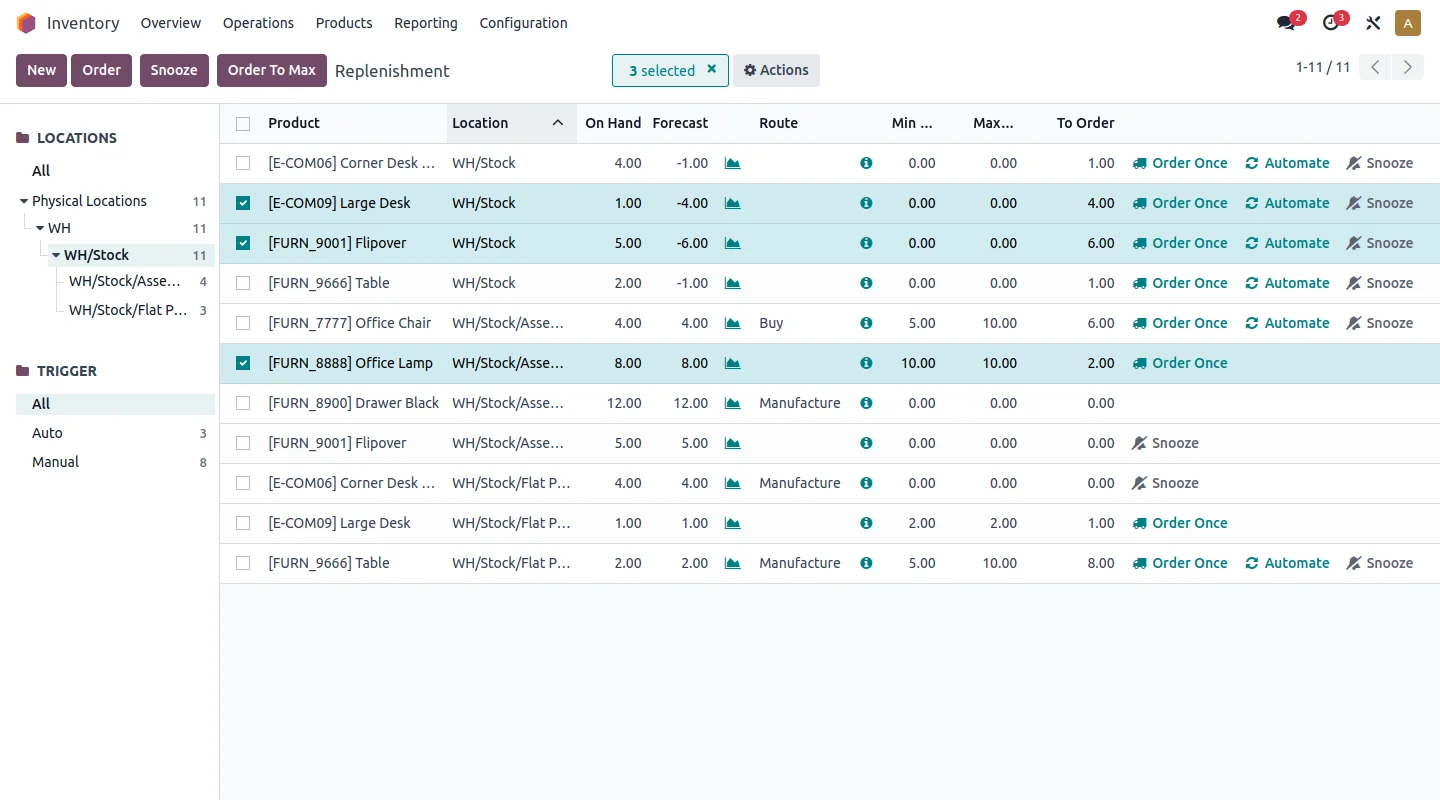
Herein lies, for many businesses, the real key to the decision. An online shop doesn't exist in isolation: every order moves stock, generates an invoice, affects accounting, and, if you also have a physical shop, shares inventory with it. If the shop is isolated from the rest, double work appears: manually synchronising stock, exporting orders, reconciling invoices between systems. The great advantage of Odoo is that the shop and management are the same system, so an online order deducts stock and generates an invoice in accordance with VeriFactu seamlessly. With Shopify, that integration with Spanish management and taxation is usually achieved by connecting applications, which works, but adds components to maintain. If you sell only online and simply, Shopify makes it very easy for you; if you combine online, physical shop, and management, Odoo's integration avoids many headaches.
Cost: what to look for
The cost of Shopify comprises the plan fee, commissions (depending on the gateway and plan), and the applications you add for functions not included as standard. It's very accessible when starting out, and it's worth looking at how it evolves as sales and needs grow. Odoo has a different model, where the shop is part of an integrated system; here, savings usually come from not maintaining several separate tools or paying for connectors. As always, what's important is the total cost versus value: you have an honest guide in how much Odoo costs, and it's worth remembering that the outcome largely depends on choosing the right partner who implements it.
When to choose Odoo and when to choose Shopify
Shopify is a great choice if you want to set up an attractive online shop as soon as possible, without worrying about the technical side, and if your operation is mainly selling online simply. For many projects starting in digital, it is convenient and highly effective.
Odoo fits better if you want the shop to be part of your business management: same stock as the physical shop, integrated Spanish invoicing, accounting, and CRM in the same system. It's the natural option for businesses that combine channels or that already have (or will have) an operation that goes beyond the website. The useful question is honest: do you mainly want an easy online shop, or a shop integrated with your entire business? The answer dictates the choice.
Frequently Asked Questions
Is Odoo better than Shopify?
Not in abstract: it depends on your business. Shopify excels in ease and speed for selling online; Odoo, in integrating the shop with stock, invoicing, and accounting. If you combine channels or want unified management, Odoo usually fits better.
Is Odoo's shop as good as Shopify's?
Odoo's e-commerce is robust and, above all, integrated with business management. Shopify can offer advantages in pure ease and its ecosystem of templates and apps. The key difference is integration with the business.
Can I invoice in Spain with Shopify?
Shopify focuses on sales; Spanish invoicing in accordance with VeriFactu is handled with applications or another system. In Odoo, that invoicing is already integrated with the shop.
Can I migrate from Shopify to Odoo?
Yes. A well-planned migration transfers products, customers, and orders, and leaves the shop integrated with business management. It's advisable to do it with a partner to preserve the history and positioning.
Shopify or Odoo if I also have a physical shop?
If you have a physical and online shop, Odoo offers a clear advantage: they share stock and management in the same system. With Shopify, that unification requires connecting the management part separately.
Which costs less?
It depends on the volume, commissions, and the apps or connectors in each case. Compare the total cost in the medium term, not just the initial fee, including integration with your management.
Do I need technical knowledge?
Shopify is designed so you don't need any. Odoo, being an integral system, is best implemented with a partner, but the day-to-day running of the shop is manageable once configured.
Does Shopify work in Spanish and for Spain?
Yes, it works in Spanish and is widely used in Spain. The question isn't the language, but invoicing and management in accordance with Spanish regulations, which should be properly handled independently of the platform.
Can I have an online shop with Odoo and also sell in a physical shop?
Yes, and it's one of its great advantages: the online and physical shops share a catalogue and stock in the same system, so you don't sell what you don't have, nor do you have to reconcile inventories manually.
Are you comparing Odoo and Shopify for your online shop?
At Nextdoo, an official Odoo partner, we frankly analyse your case and tell you if an integrated shop with your management suits you. Start by Odoo Ecommerce or request a diagnosis of your project.
Sources: official Odoo documentation and electronic headquarters of the Tax Agency. Guideline comparison; the functions and prices of each platform change, confirm them on their official websites.
Sources
Official sources consulted: official Odoo documentation y electronic headquarters of the Tax Agency (VeriFactu). Cost and timeframe figures are indicative and non-binding, subject to variations depending on the project.