
Implementing Odoo goes well when done methodically and badly when improvised. A good checklist is the difference between a project that launches on time and without nasty surprises, and one that gets bogged down in forgotten details. This guide is a practical, phased checklist, so you don't miss anything important: from preliminary preparation to launch and what comes next. You can use it whether you're implementing with a partner or if you want to understand the process well. The specific aspects of your case should be adjusted to your business reality.
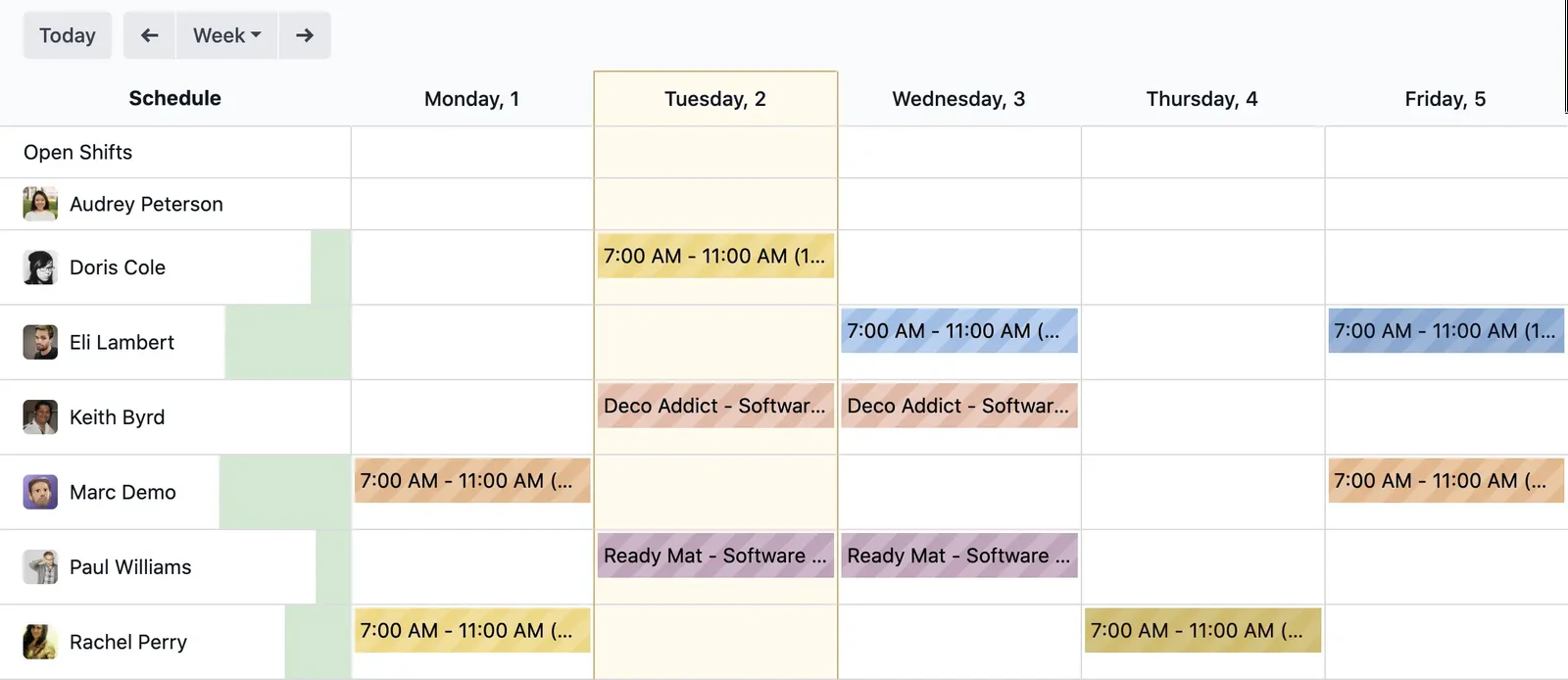
En 30 segundos. Step-by-step Odoo implementation checklist: preparation, configuration, migration, testing, and go-live. A practical guide from an official Odoo partner.
Before you start: preparation
Before touching Odoo, it's advisable to have several things clear. This is the preliminary work that avoids improvisation later:
- Define your objectives. What you want to solve with Odoo (streamlining sales, controlling stock, complying with
tax regulations, integrating channels) and what will constitute success.
- Identify your processes. How you work today: from sale to collection, from purchase to stock, your
invoicing and your accounting.
- Gather and review your data. Customers, products, suppliers, accounting balances: the cleaner they are,
the better the migration will be.
- Decide the scope of the first phase. Which modules go in first; there's no need to launch everything at
once.
- Assess resources and support. Whether you do it alone or with a partner; it's advisable to choose wisely
and understand what makes up the price.
Step-by-step implementation checklist
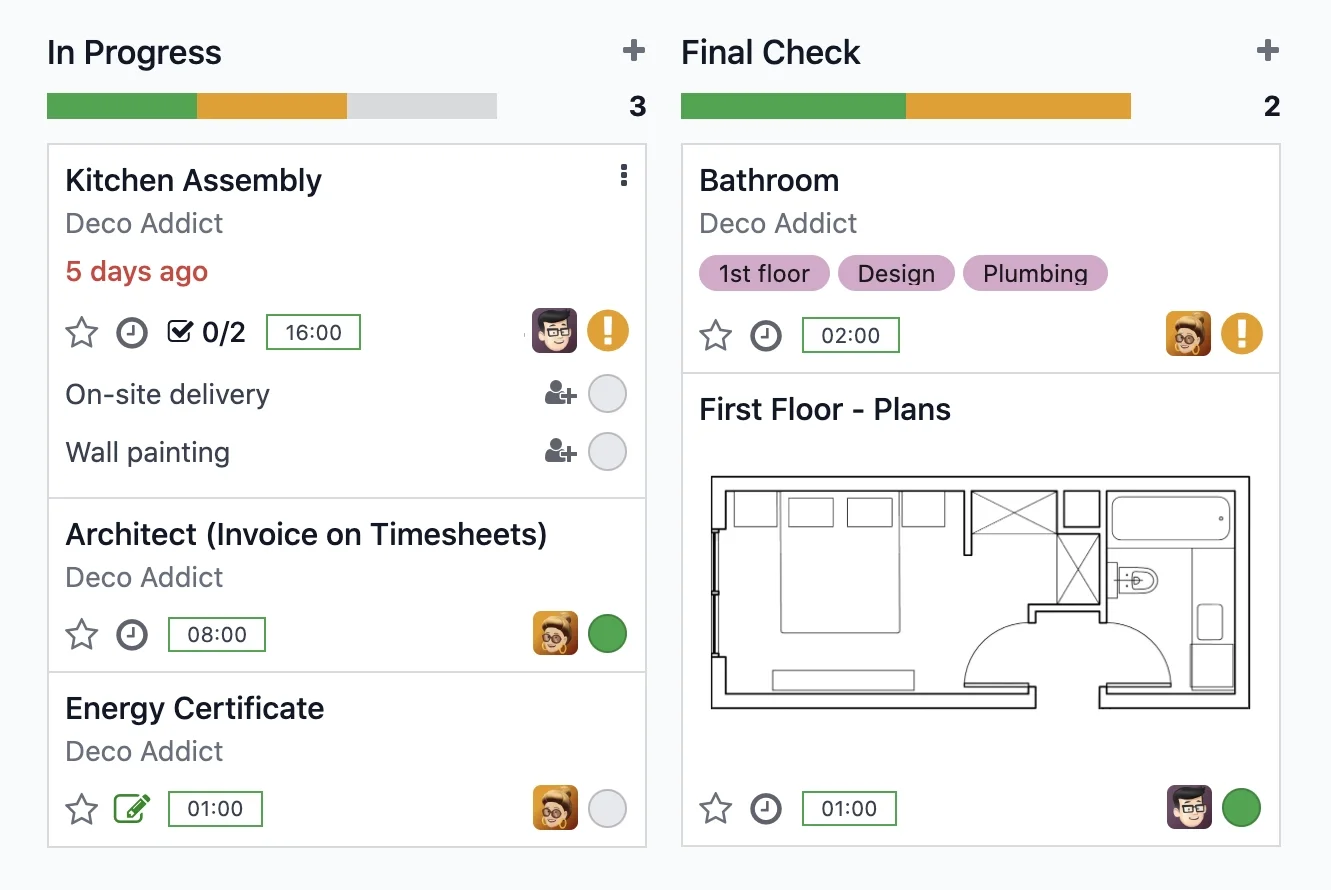
With the preparation done, the implementation is organised into these phases. It's the core of the checklist:
Phase 1 · Base Configuration
The Odoo environment is installed or contracted, and the Spanish localisation is activated, which includes the country's taxes and regimes. Check: environment ready and localisation activated.
Phase 2 · Modules and Processes
The modules within scope (sales, inventory, invoicing, accounting, CRM…) are configured according to your actual processes. Check: each module reflects your way of working.
Phase 3 · Tax Regulations and Invoicing
The invoicing compliant with VeriFactu and Spanish tax regulations are properly configured, with the correct series and taxes. Check: a test invoice is compliant.
Phase 4 · Data Migration
Clean data (customers, products, suppliers, balances) is uploaded and reconciled with the source. Check: migrated totals reconcile with the old ones.
Phase 5 · End-to-End Testing
Complete workflows (a sale from start to finish, a purchase, a collection) are tested with real data. Check: the flow works without errors.
Before going live
Just before making the leap to production, a final round of checks is advisable. It's time to ensure nothing is left hanging:
- Team training: each person knows how to do their part in Odoo, not just «seen it».
- Permissions and access: each user has what they need, no more, no less.
- Verified data: balances, stock, and catalogues are reviewed and reconciled.
- Invoicing tested: a real invoice has been issued in accordance with regulations.
- Launch plan: it's known which day it starts and who resolves queries in the first few days.
After launch
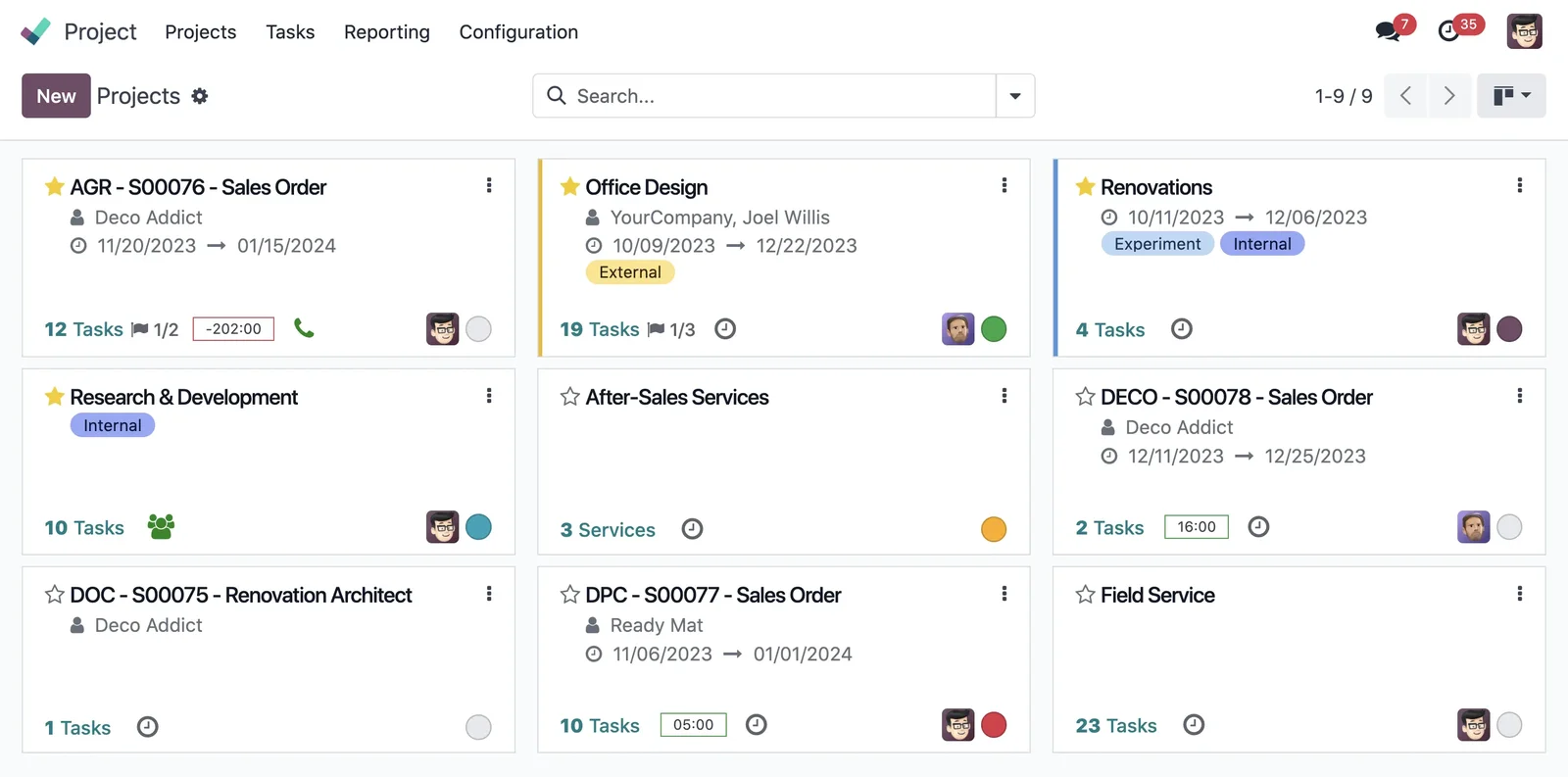
The implementation doesn't end on the launch day; the first few days and weeks are key for Odoo to settle in. It's advisable to have support planned to resolve urgent queries, verify that processes are genuinely being followed, and make fine-tuned adjustments on the fly. It's also a good time to plan for the next phases: the modules or improvements that were left for later. A well-managed project isn't abandoned after launch, but rather stabilises and evolves. This monitoring is one of the biggest benefits of working with a partner, because there's someone to respond when the inevitable queries arise in the first few days.
Mistakes a good checklist avoids
Following an organised checklist avoids the most common pitfalls: launching without having tested the workflows and discovering errors in production; migrating dirty data that fouls up the system from day one; forgetting tax configuration and having problems with the first invoices; not training the team and having them end up reverting to spreadsheets; or trying to launch everything at once and collapsing. Each point of the checklist exists to avoid one of these problems. The complete framework for a project is in Odoo implementation, and the official Odoo documentation complements this list with technical details.
Why a checklist makes a difference
It might seem that a checklist is a mere formality, but in practice, it's what separates a smooth implementation from a chaotic one. The reason is that an Odoo implementation has many interdependent parts: you can't test the workflows if you haven't configured the tax regulations, nor migrate data if you haven't defined the catalogue, nor launch if you haven't trained the team. When improvised, it's easy to skip a step and discover it late, when it's already more expensive to fix. A checklist forces you to do things in order and to check each milestone before moving to the next, so problems are detected early, when they're still inexpensive to resolve. It's not bureaucracy: it's the way to keep a project with many parts from getting out of hand. And it also provides visibility, because at every moment you know where you are and what you need to do to reach launch with confidence.
Frequently Asked Questions
Where do I start with Odoo implementation?
With preparation: define objectives, identify your processes, gather and clean your data, and decide the scope of the first phase. With that clear, the configuration goes much more smoothly.
Do I have to implement all modules at once?
No, and it's usually better not to. Starting with a limited scope (the essentials) and adding modules in phases reduces risk and helps the team adapt.
How long does an Odoo implementation take?
It depends on the scope, data, and complexity. A limited project can be quick; a broad one, longer. A good checklist and a good partner help ensure deadlines are met.
What's most important before launching?
Having tested the complete workflows with real data, having migrated and reconciled data, compliant invoicing, and a trained team. Launching without these is the most common cause of nasty surprises.
Can I use this checklist if I'm working with a partner?
Yes. It helps you understand the process, follow the project, and ensure nothing is overlooked. A good partner will work with a similar list and give you visibility into each phase.
What happens if I migrate dirty data?
It fouls up the system from the start and generates errors that are difficult to trace. That's why the checklist insists on reviewing and cleaning the data before uploading it and reconciling the totals after migration.
What do I do after launch?
Plan for support for the first few days, review that processes are being followed, make fine adjustments, and plan the next phases. The implementation stabilises in the first few weeks.
Do I need a checklist if my implementation is small?
Yes, even if it's shorter. Even a simple implementation has steps that shouldn't be skipped (tax regulations, data, testing). A checklist prevents small projects from becoming complicated due to a silly oversight.
What's the most commonly forgotten item on the checklist?
Cleaning data before migrating it and testing complete workflows before launching. These are the two points that, when skipped, cause the most problems in production.
Want to implement Odoo without missing anything along the way?
At Nextdoo, an official Odoo partner, we follow an organised, phased process to ensure your project launches on time and without nasty surprises. Start with Odoo implementation or request a business diagnostic.
Sources: official Odoo documentation. Indicative checklist; adjust each point to the reality and complexity of your business.
Sources
Official sources consulted: official Odoo documentation y electronic headquarters of the Agencia Tributaria (VeriFactu). Cost and timeline figures are indicative and non-binding, subject to variations depending on the project.