If you buy from or sell to businesses in other European Union countries, you'll either be familiar with or soon hear about Form 349: it's the declaration of intra-community transactions. It has its own specific rules – the well-known intra-community operator number, the VIES register – and managing it correctly requires having your transactions with the EU properly identified. This guide explains what Form 349 is, who needs to submit it, when, and how Odoo helps you prepare it. The specifics of your case, as always in tax matters, should be confirmed with your tax advisor or the Tax Agency.
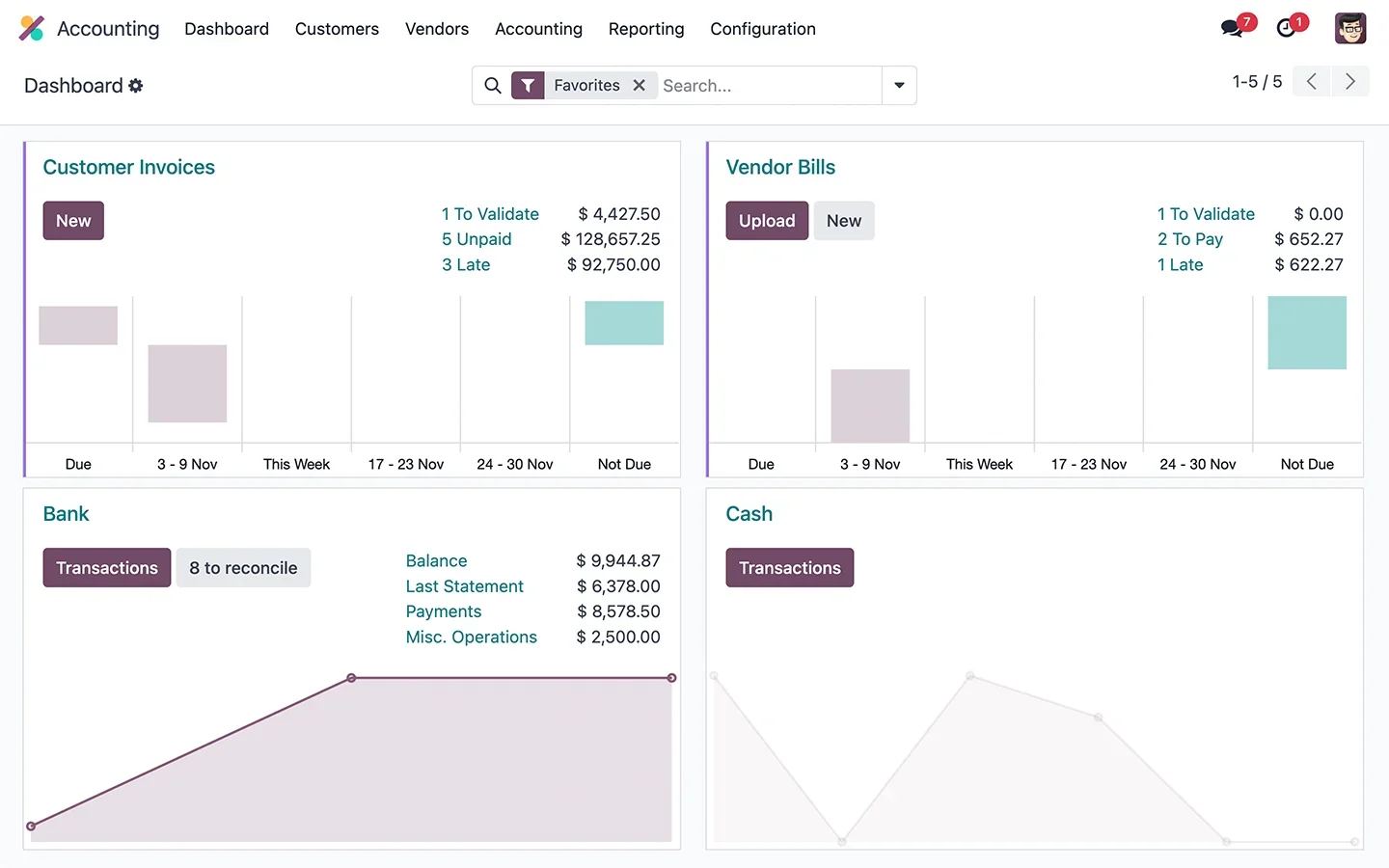
En 30 segundos. What is Modelo 349 for intra-community operations, who submits it, when, and how Odoo helps you prepare it. A guide from an Odoo partner.
What is Form 349
Form 349 is the recapitulative statement of intra-community transactions. It records the supply and acquisition of goods and services you carry out with businesses in other European Union Member States. Its nature is informative: like Form 347, no payment is made with it; instead, it informs the Tax Agency of these transactions so they can be cross-referenced at a European level (what you declare about a German or French company should match what that company declares about you). The key to intra-community transactions is that, provided the requirements are met, they are usually conducted without VAT between businesses, precisely because they are monitored through this informative channel. The specific rules are set out in the regulations, which can be consulted on the Tax Agency's website.
Who must submit it
Form 349 must be submitted by self-employed individuals and businesses that carry out intra-community transactions and are registered as intra-community operators, meaning they appear in the VIES register with their operator number (the VAT ID with the country prefix). This registration is an important requirement: without being in VIES, you cannot normally operate without VAT with the EU. If you buy from or sell to European companies and are unsure whether you are properly registered or what transactions to include, this is exactly the kind of thing you should review with your tax advisor, as the details of registration and declaration are important.
When to submit it
The frequency of Form 349 submission depends on the volume of intra-community transactions: it can be monthly or quarterly depending on the amounts, according to the rules set out in the regulations. Each submission refers to its specific period and has its deadline within the taxpayer's calendar. As the specific frequency that applies to you depends on your case and may change if your volume changes, it is wise to confirm it with your tax advisor and consult the official current calendar to avoid late submissions. Submitting outside the deadline, as with other forms, has consequences.
How Odoo helps you with Form 349
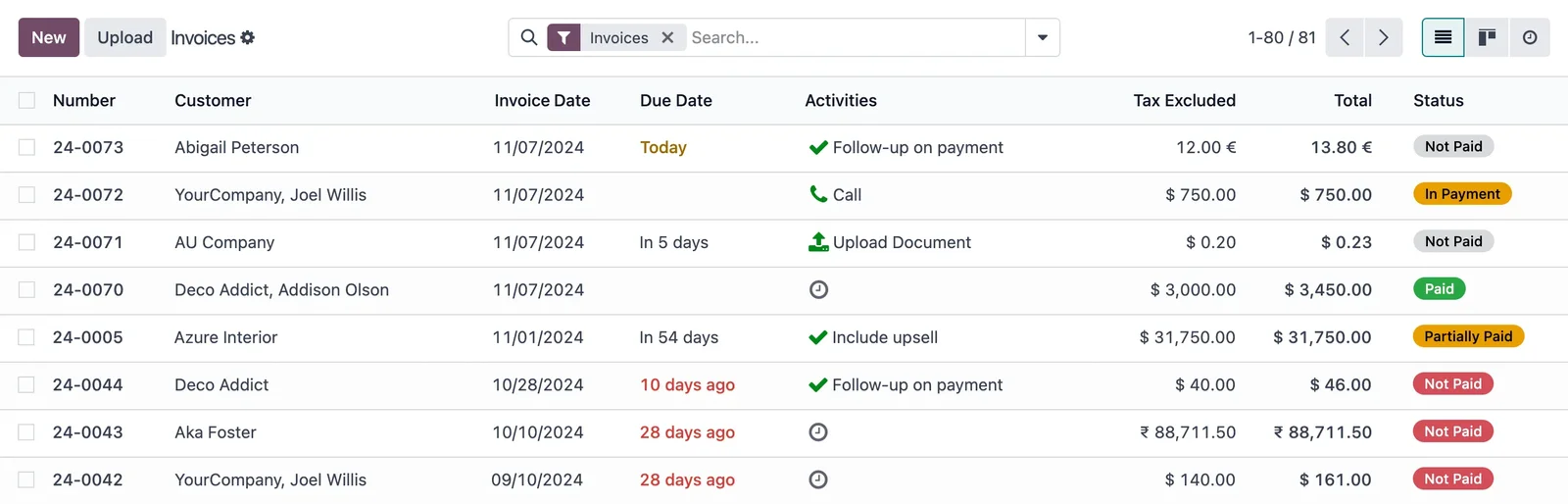
Here's the practical part. Form 349 requires you to identify, among all your transactions, which ones are intra-community, with which company, and for what amount, and to aggregate them by operator. Manually distinguishing these transactions among all invoices is where errors typically arise. With Spanish localization activated, Odoo allows you to mark European customers and suppliers with their intra-community operator number and apply the correct taxation to those invoices y purchases, so that intra-community transactions are identified from the outset. From there, your accounting already has intra-community transactions separated from national ones, and aggregating amounts by operator for Form 349 stops being a manual tracking task. You prepare the declaration with properly classified transactions, and coordinate the final validation with your tax advisor. More details in the Odoo accounting documentation.
Common errors with Form 349
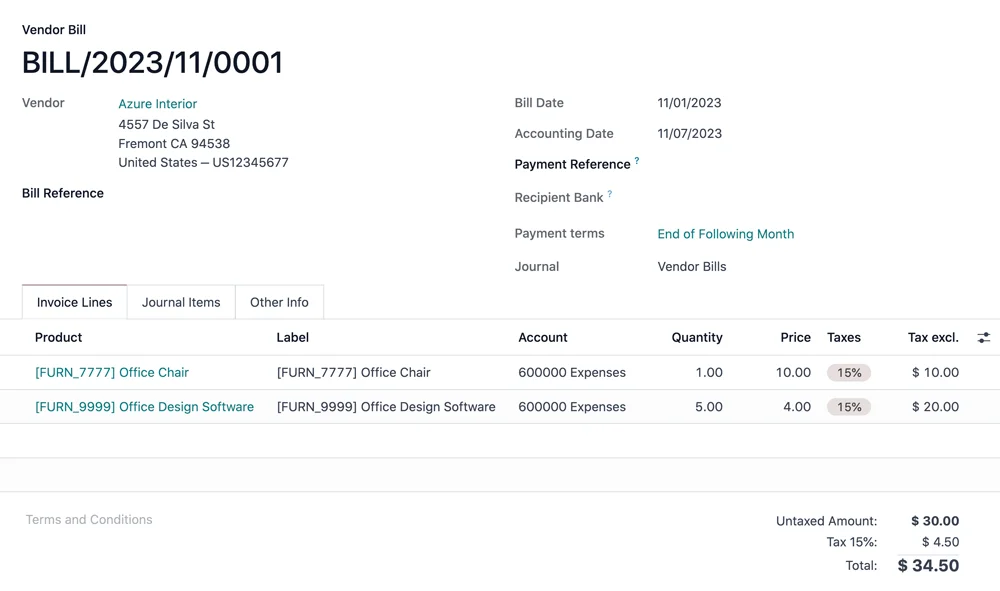
With Form 349, some common pitfalls recur. The first, not having the other company's operator number validated in VIES, which can invalidate the VAT-exempt treatment. The second, incorrectly classifying a transaction as intra-community when it isn't, or vice-versa. The third, not properly separating European from national transactions due to mixed accounts. And the fourth, the periodicity: submitting quarterly when it should have been monthly due to exceeding the volume threshold. All of these are reduced with properly identified transactions from the invoice and organised accounting. The framework for a project is in Odoo implementation, and it's advisable to choose the right partner who understands Spanish and European tax regulations.
Form 349 and the VAT on your European transactions
Form 349 cannot be understood without its relationship with VAT. Intra-community transactions have special treatment: provided the requirements are met (businesses registered in VIES, goods or services moving between countries), they are usually invoiced without VAT, and it is precisely this informative declaration that allows the Tax Agency to check that everything matches up. Therefore, an error in Form 349 is not just a form problem: it can lead to a VAT issue, if a transaction invoiced without VAT was not properly supported. Having European transactions properly identified, with validated operators and correct taxation applied from the invoice, is what prevents an oversight in the declaration from becoming a larger problem. Again, the advantage of integrated management is that intra-community transactions are separated and controlled from the outset, not reconstructed at the end of the period.
Frequently Asked Questions
What is Form 349?
It is the recapitulative statement of intra-community transactions: the supply and acquisition of goods and services with businesses in other EU countries. It is informative and does not involve any payment.
Who needs to submit Form 349?
Self-employed individuals and businesses that carry out intra-community transactions and are registered as intra-community operators (VIES register). It's advisable to confirm your registration and transactions with your tax advisor.
How often is Form 349 submitted?
It depends on the volume of transactions: it can be monthly or quarterly depending on the amounts. It's advisable to confirm the frequency that applies to you with your tax advisor, as it may change if your volume changes.
Do intra-community transactions include VAT?
Provided the requirements are met (operators registered in VIES), they are usually invoiced without VAT, and are controlled through the informative channel of Form 349. The details depend on the type of transaction; confirm it with your tax advisor.
What is the VIES register?
It is the European register of intra-community operators. Being registered (having the VAT ID with country prefix) is what allows you to operate without VAT with EU businesses under normal conditions.
Does Odoo prepare Form 349?
Odoo identifies and separates intra-community transactions from the invoice and aggregates them by operator from your accounting records. Validation and submission are coordinated with your tax advisor.
What happens if I incorrectly classify a European transaction?
It can lead to a VAT issue, not just a form error. Therefore, it's advisable to have transactions properly identified and operators validated from the outset.
Does Form 349 replace Form 303?
No. They are different declarations: Form 303 is the VAT self-assessment and Form 349 is informative regarding intra-community transactions. Those who operate with the EU usually submit both, each with its own function.
What is the difference between Form 349 and Form 347?
Form 349 declares transactions with businesses in other EU countries (intra-community); Form 347 declares transactions with national third parties above a threshold. They are distinct informative declarations and do not overlap.
Do I need to register in VIES to operate with the EU?
To operate without VAT with businesses in other EU countries under normal conditions, yes, it is advisable to be registered as an intra-community operator. Your tax advisor can help you with registration and checking operators.
Do you operate with European businesses and want Form 349 under control?
At Nextdoo, an official Odoo partner, we ensure your intra-community transactions are properly identified from the invoice, with correct taxation. Start with Odoo Accounting or request a diagnosis of your case.
Sources: Tax Agency e-headquarters and Odoo documentation. Information for guidance only, not tax advice; confirm frequency, VIES registration and specifics with your tax advisor or the AEAT.
Sources
Official sources consulted: official Odoo documentation y Tax Agency e-headquarters (VeriFactu). Cost and deadline figures are indicative and non-binding, subject to variations depending on the project.