
The number one reason for a failed Odoo project isn't the software: it's wanting to do everything at once. Opening fifteen modules on the first day overwhelms the team, drives up customisation, and turns the go-live into an eternal project. Phased implementation does the opposite: it prioritises what hurts the most, starts with the minimum that already adds value, and expands when the team masters what came before.
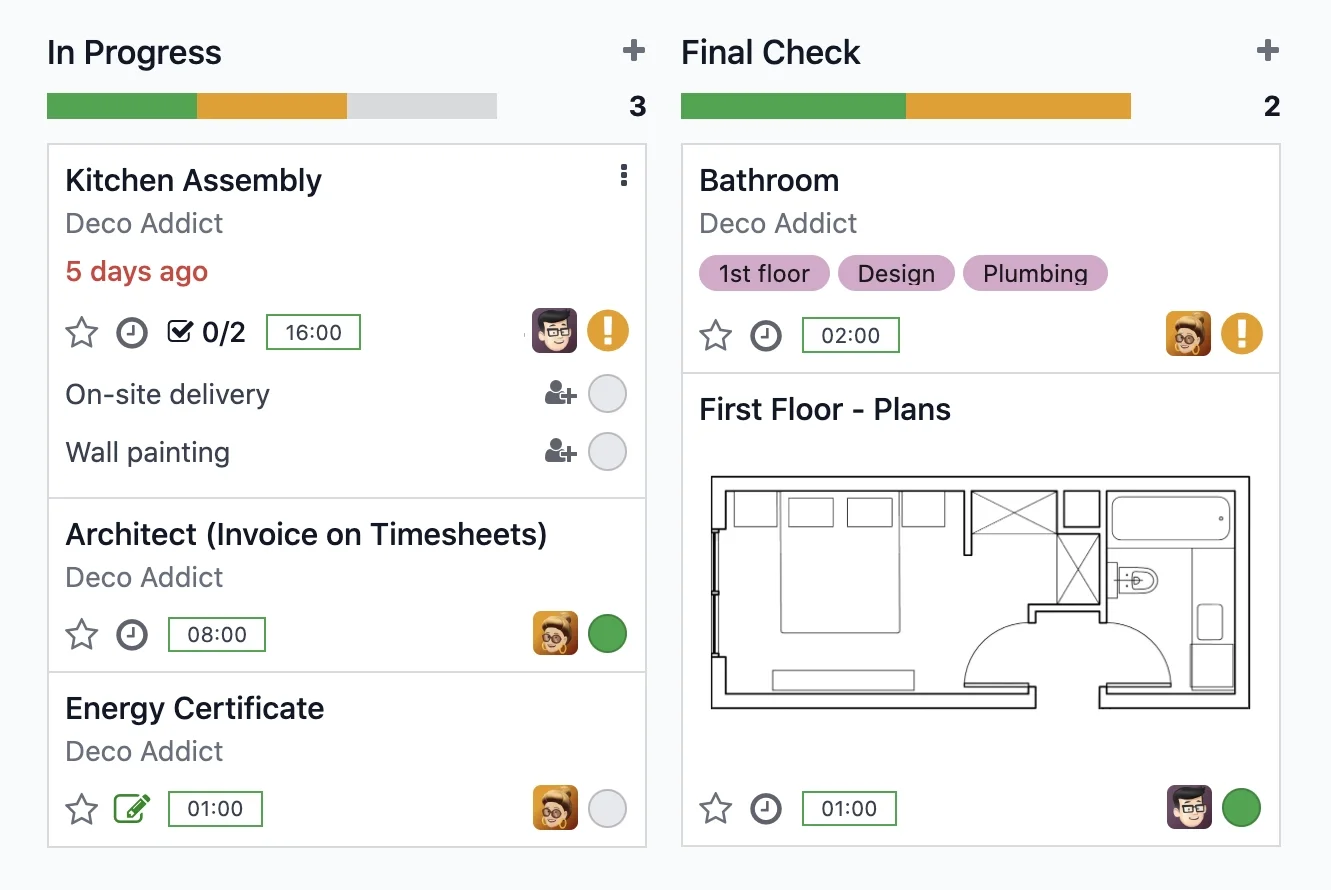
En 30 segundos. Phased Odoo implementation prevents cost overruns. Prioritise critical functions, launch with an MVP, and expand modules wisely. Get a practical methodology.
What is progressive Odoo implementation
It's an approach where the ERP is deployed in stages instead of in a single big go-live. Each phase delivers something the company can already use in its day-to-day operations, instead of waiting months for a «big day» that almost never goes as expected. It fits naturally with Odoo because it's modular: you can activate sales today and manufacturing in three months without redoing anything.
Why in phases and not all at once
- Staggered investment. You spread the cost over time instead of a single outlay. See
- Results from the first month. The team sees value early, and that sustains the project.
- Less resistance to change. Learning one area at a time is manageable; learning everything at once is not.
- Fewer errors. Each phase is tested and stabilised before adding the next. Just the opposite
of the mistakes when implementing Odoo.
A phase order that works for an SME
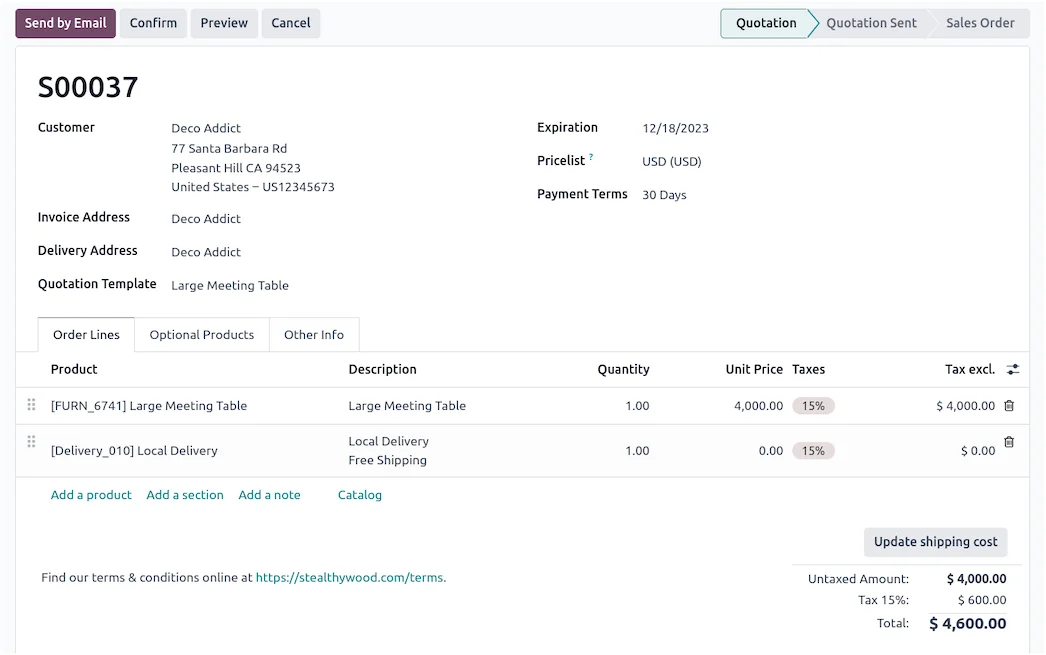
There isn't a single valid sequence, but this one causes the fewest surprises:
- Phase 1 — Sell and collect. Sales, basic inventory, and statutory invoicing. It is the
core: as soon as it works, the business is already operating in Odoo.
- Phase 2 — Purchase and account. Purchases, supplier management, and full accounting. Here
the system starts to give you the real margin.
- Phase 3 — Grow. Depending on your business: e-commerce and POS for retail, manufacturing for industry,
projects and timesheets for services.
- Phase 4 — Refine. Automations, custom reports, and the customisations that truly
add value (not the ones that seemed like a good idea on day one).
The key to each jump: not to start the next phase until the team uses the previous one fluently.
The minimum viable product (MVP) principle
In each phase, Odoo's standard features are configured first, as close as possible to how they come out-of-the-box, and customisation is only done where the business truly needs it. Customising before having used the standard is the most difficult expense to justify in the entire project: you pay to adapt something you don't yet know if you need.
How the partner fits into a phased project
An official partner plans the phases with you, defines the scope of each, and avoids the classic mistake of putting everything into the first one. If you are deciding who to choose, look at How to choose an Odoo partner. The complete framework of an implementation —the seven phases from start to finish— is in our guide to Odoo implementation.
How the scope of each phase is decided
The scope of a phase is not decided by modules, it is decided by results. The correct question is not «do we activate accounting?», but «what does the business need to function better next month?». With this logic, each phase is defined by the problem it solves and is closed when that problem is solved and the team uses it. A good criterion: a phase should fit within a few weeks and leave something tangible working. If a phase drags on for months, it's almost always because too much has been included, and it's advisable to split it.
Signs that you are going too fast
There are clear symptoms that the project encompasses too much: the team requests training for five areas at once, customisation requests appear before the standard has been used, or the start date is delayed repeatedly because «a module is missing». When that happens, the solution is not to speed up, it is to reduce the scope of the current phase, start with what already works, and leave the rest for the next phase. Going by phases is not going slowly: it is achieving results sooner and with fewer surprises.
How phases look according to your business type
The phase logic is the same for everyone, but the specific order changes depending on what you do, and it's advisable to be clear about it before starting.
In a retail business, the first phase usually revolves around the POS, inventory, and invoicing, because the counter is what cannot fail; e-commerce and loyalty come later. In a services company, the start focuses on sales, projects, and invoicing, leaving analytical accounting and timesheets for a second stage. In a factory, the first phase stabilises purchasing, inventory, and bills of materials before activating production planning, which is the most delicate aspect. And in a distributor, the initial focus falls on purchasing, warehouse with locations, and dispatch logistics.
In all four cases, the same pattern is repeated: first, the flow that sustains the daily business, then what provides control and margin, and finally what optimises. Skipping that order —for example, wanting perfect analytical reports before the team knows how to invoice— is the direct path to a project that drags on forever. If your case is retail, you have the details in the guide to implementing Odoo in retail.
The deliverable for each phase: how to know it's going well
A simple way to control a project by phases is to demand that each stage ends with something concrete and usable, not with a list of «almost done» tasks. That deliverable is proof that the phase has fulfilled its function and that you can move on to the next one without dragging problems along.
In the first phase, the typical deliverable is «the company already invoices from Odoo»: an order can be placed, issued, collected, and stock can be deducted. In the second, «I have the real margin», with purchases and accounting providing a complete picture of income and expenses. In a growth phase, the deliverable is the new channel working —the online shop published, the POS operating, or production planned—. And in the refinement phase, reports and automations that truly save time, measurable against how work was done before.
Defining the deliverable at the start of each phase avoids the biggest risk of all: phases that are considered closed when in reality there are loose ends that reappear weeks later. If the deliverable is not clear and accepted by the team, the phase is not finished, no matter how configured the system is.
Frequently asked questions
What does implementing Odoo in phases mean?
Deploying the ERP in short stages, each with a usable result, instead of activating everything at once. You start with the essentials and expand when the team has mastered it.
Where should one start?
By selling and collecting: sales, basic inventory, and invoicing. It is the core that makes the business already operate in Odoo from the first phase.
Is phased implementation more expensive?
It is not usually more expensive; it distributes the investment and avoids the typical overcost of excessive customisation at the beginning. The total cost depends on the scope, not the pace.
How long does each phase last?
A simple initial phase in an SME usually takes a few weeks. The timeframe depends on the modules, the quality of your data, and the availability of the internal team.
Do you want a phased plan for your Odoo?
At Nextdoo, an official Odoo partner, we define the stages according to what is most urgent for you and start with the minimum that already gives you results. Start with the Odoo implementation.
Source: official Odoo documentation. Cost and timeframe figures are indicative and non-binding.
Sources
Official sources consulted: official Odoo documentation and electronic headquarters of the Tax Agency (VeriFactu). Cost and timeframe figures are indicative and non-binding, subject to variations depending on the project.